Lynden, WA · Whatcom County
Attic Water Removal in Lynden, WAAttic Leak Water Cleanup & Wet Attic Insulation Removal
Get attic water removal in Lynden for attic moisture inspection, attic leak water cleanup and attic mold prevention.
Answered 24/7
Reliable Attic Water Removal Near Lynden
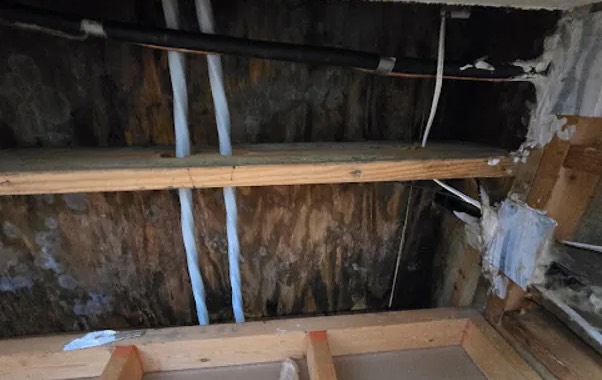
Attic leaks that run for a long time in Lynden can rot roof decking and rust fasteners. Even after the roof is fixed, that wood stays wet unless it is dried.
A heavy storm in Lynden can push water into an attic overnight. Local attic drying specialists serve Lynden and nearby Bellingham, with help available around the clock.
The Attic Water Removal Process in Lynden
Attic Leak Water Cleanup
The leak is stopped or tarped first, then water on the attic floor, on top of the drywall and around ducts and wiring is removed with wet vacs.
Wet Attic Insulation Removal
Only the wet sections come out. The edges of the wet area are checked with a meter so dry insulation is not removed by mistake.
Attic Mold Prevention
Ventilation problems, such as blocked soffit vents or a bath fan venting into the attic, are pointed out so the attic does not stay damp.
Attic Moisture Inspection
Moisture meters and thermal cameras check rafters, decking, insulation and the ceiling below, even in spots that look dry.
Roof Leak Water Removal
The entry point is photographed and marked, which helps both the roofer and your insurance adjuster.
Signs of Attic Water Damage in Lynden
Puddles or Standing Water in Attic
Pooled water on the attic floor or on top of drywall needs removal right away.
Rotting Wood on Attic Beams
Soft, dark or crumbling wood on rafters and beams points to long-term moisture.
Condensation on Attic Windows or Nails
Damp nail tips or water droplets on attic surfaces point to moisture or ventilation problems.
Peeling Paint on Ceilings or Walls
Paint that peels or blisters on upstairs ceilings and walls often has water behind it.
How Attic Water Removal Works in Lynden
Step 1: Initial Attic Water Damage Assessment
The pros check safety, find the source and map the wet area with moisture meters.
Step 2: Bulk Water and Material Removal
Pooled water, soaked insulation and any sagging drywall are removed from the attic and ceiling.
Step 3: Attic Drying and Evaporation
Warm, dry airflow is aimed at wet wood, with dehumidifiers removing the moisture it releases.
Step 4: Attic Mold Prevention
Once dry, decking and framing that stayed wet can be cleaned and treated with an antimicrobial.
Why Attics Develop Water Damage
Appliance Malfunctions Like Water Heater Leaks
Water heaters located in the attic can leak or fail, flooding the attic floor.
Condensation From Poor Attic Ventilation
Moist air from the house condenses on roof decking when attic ventilation is poor.
Flashing Failures Around Roof Penetrations
Failed flashing around vents, chimneys and skylights lets rain run into the attic.
Overflow From Clogged Bathroom Exhaust Ducts
Bathroom fan ducts that are loose or vented into the attic release moisture onto the wood.
Home and Business Attic Water Removal Solutions
Residential Attic Water Removal
In two-story homes, attic water can run down inside walls to the floor below. Walls under the leak are checked with a meter and dried if needed.
Commercial Attic Water Removal
Flat-roof buildings often have water that travels far before it drips. The path above the ceiling is traced so every wet section is found.
Attic Water Removal vs. DIY: When to Call the Pros
A fan in the room below does little for wet attic wood. Drying the attic takes equipment up there and readings to confirm it is dry.
Attic Water Removal Cost in Lynden, WA
Tight attic access, blown-in insulation removal and storm-night calls all add to the total for attic water removal in Lynden.
Type of Insulation Affected
Blown-in insulation takes more time to remove than batts, and both add disposal costs.
Drying Time Required
Dense wood framing can take several days to dry, which adds equipment time.
Secondary Damage Repairs
Ceiling drywall replacement and paint in the room below add to the total.
Does Insurance Cover Attic Water Removal?
Photos, moisture readings and drying logs from local attic drying specialists help support an insurance claim for attic water damage in Lynden.
Why Choose Local Pros for Attic Water Removal in Lynden
Post-Cleanup Verification
Final readings confirm the attic is dry before new insulation goes in.
Advanced Moisture Detection
Moisture meters and thermal cameras find wet wood and insulation that look dry.
Industry Drying Standards
Drying follows industry water damage standards, with moisture readings taken at every visit.
24-Hour Emergency Attic Water Removal Near Lynden
Night, weekend or holiday, the specialists handle attic water in Lynden. Call (425) 406-3256 to get the water out and the ceiling protected.
Call Now (425) 406-3256Local Attic Water Removal Coverage Area
The places below are also served, and each one has its own page.
- Attic Water Removal in Bellingham
- Attic Water Removal in Anacortes
- Attic Water Removal in Mount Vernon
- Attic Water Removal in Oak Harbor
- Attic Water Removal in Stanwood
- Attic Water Removal in Camano
- Attic Water Removal in Arlington
- Attic Water Removal in Port Townsend
- Emergency Damage Restoration in 98264
- Storm Damage Restoration in 98264
- Water Damage Restoration in 98264
- Water Extraction Service in 98264
- Water Leak Detection in 98264
- Water Removal Service in 98264
Attic Water Removal FAQs
How quickly should I deal with water in my attic?
Right away. Water on top of ceiling drywall soaks in and adds weight, and the ceiling can sag or fall within a day.
What happens during wet attic cleanup?
Water, wet insulation and debris are removed, stored items are moved out and the attic floor is cleaned before drying.
What causes attic water damage?
Roof leaks, plumbing failures, attic AC overflows, water heater leaks, loose bath fan ducts and poor ventilation.
Why is emergency attic drying important?
Wet wood and drywall break down quickly. Drying fast saves more of the ceiling and lowers the risk of microbial growth.
How can mold be prevented after attic water removal?
By drying wood quickly, fixing ventilation problems and treating framing that stayed wet with an antimicrobial.