Pacific, WA · King County
Basement Water Damage Restoration in Pacific, WABasement Mold Prevention & Basement Wall Drying
Basement Water Damage Restoration in Pacific includes emergency basement flood cleanup, basement sewer backup cleanup and basement wall drying.
Answered 24/7
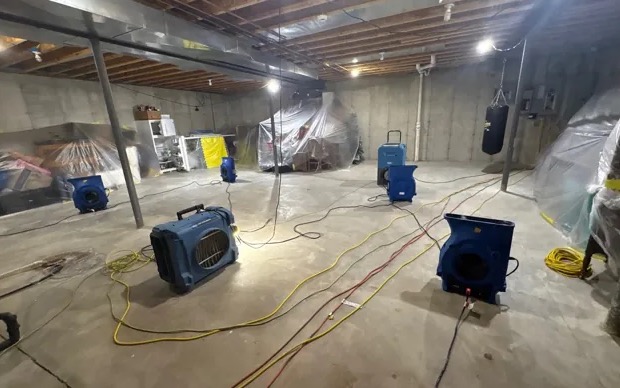
Basement Water Damage Restoration Solutions in Pacific, Washington
Basements collect water from every direction: rain seeping through walls, groundwater pushing up through the slab, sewage backing up through floor drains and pipes bursting overhead. In a Pacific home with a basement or below-grade room, any of these can leave inches of water on the floor.
A finished basement or lower level in Pacific or Lakeland South, Auburn and Milton can hide old moisture behind drywall and flooring. The pros find the water and dry the space before more damage sets in.
The Basement Water Damage Restoration Process in Pacific
Basement Mold Prevention
Fast extraction and drying are the main ways to limit microbial growth in a basement. Surfaces that stayed wet can be treated once dry.
Basement Wall Drying
Finished basement walls hide wet insulation and framing. Removing the bottom of the drywall lets air reach the cavity.
Basement Dehumidification
Large dehumidifiers pull moisture from the basement air so walls, framing and the slab can release their water.
Basement Floor Water Removal
A slab can look dry on top while still holding water. Moisture readings show when it is ready for new flooring.
Basement Drying Services
Drying a basement takes longer than drying an upper floor because the air is cool and the concrete holds moisture.
When to Consider Basement Water Damage Restoration for Your Pacific Home
Rusted Appliances or Pipes
Rust on the water heater, furnace base or pipes points to repeated moisture or past flooding.
Mold on Surfaces
Dark spots on drywall, framing or stored boxes mean the area has stayed wet for days.
Wet or Stained Basement Walls
Dark, wet patches or tide lines on basement walls show where water seeped in or wicked up.
Damp or Musty Odors
A damp, earthy or musty smell in the basement often means hidden moisture in walls, carpet or the slab.
How Basement Water Damage Restoration Works in Pacific
Step 1: Floodwater Pump-Out
Submersible pumps remove deep water, and electrical hazards are checked before anyone walks in it.
Step 2: Deep Moisture Extraction
Extractors pull water from carpet, pad and the concrete floor after the deep water is gone.
Step 3: Air Circulation and Drying
Air movers keep dry air moving across walls and floors throughout the basement.
Step 4: Dehumidification and Verification
Dehumidifiers run until humidity and material readings confirm the basement is dry.
Frequent Sources of Water Damage in Pacific
High Water Table and Hydrostatic Pressure
A high water table pushes groundwater up through the slab and into the joints between wall and floor.
HVAC Condensate Line Overflow
A clogged furnace or air conditioner condensate line can overflow onto the floor of a basement or lower-level utility room.
Sewer Line Backups
A blocked or overloaded sewer line pushes wastewater up through basement drains and toilets.
Sump Pump Mechanical Failure
A sump pump that fails, loses power or is too small lets groundwater rise into the basement.
Both Residential & Commercial Basement Water Damage Restoration in Pacific
Residential Basement Water Damage Restoration
In homes, a flooded basement often means damaged carpet, drywall, a furnace or water heater and stored belongings. Water is pumped out, contents are moved and the space is dried.
Commercial Basement Water Damage Restoration
In commercial buildings, basements hold mechanical rooms, storage and sometimes offices. Water is removed and equipment areas are dried so systems can be checked and restarted.
Basement Water Damage Restoration: Professional Help vs. Doing It Yourself in Pacific
Sewage in a basement should not be cleaned up without gloves, boots and eye protection. For any backup through a floor drain or toilet, call local restoration pros.
Cost Considerations for Basement Water Damage Restoration in Pacific
A basement pumped and dried right away in Pacific usually costs less than one left wet for days, when more drywall and flooring are lost.
Material Saturation
Finished basements with carpet, drywall and insulation take more removal work than bare concrete.
Access Complexity
Narrow stairs, low ceilings and stored contents can make the work slower.
Emergency Service
Night, weekend and storm calls can cost more than a scheduled visit.
Does Insurance Cover Basement Water Damage Restoration?
Coverage for groundwater seepage and backups varies widely between policies. Ask your adjuster whether your policy includes it before work begins.
Benefits of Local Pros for Basement Water Damage Restoration in Pacific
Advanced Moisture Detection
Moisture meters and thermal cameras find water in walls and slabs that looks dry.
Structural Integrity Assessment
Walls, stairs and framing are checked for damage before work begins in the basement.
Industry Drying Standards
Drying follows industry water damage standards, with readings taken at every visit.
24/7 Emergency Basement Water Damage Restoration in Pacific
Storm night, weekend or holiday, local restoration pros handle flooded basements in Pacific. Call (425) 406-3256 to get the pumps running and the water out.
Call Now (425) 406-3256Regions Served for Basement Water Damage Restoration Near Pacific
Basement water removal and drying also cover homes and buildings in Lakeland South, Auburn and Milton, close to Pacific, day or night.
- Basement Water Damage Restoration in Lakeland South
- Basement Water Damage Restoration in Auburn
- Basement Water Damage Restoration in Milton
- Basement Water Damage Restoration in Lakeland North
- Basement Water Damage Restoration in Federal Way
- Basement Water Damage Restoration in Fife
- Basement Water Damage Restoration in Lake Morton
- Basement Water Damage Restoration in Kent
- Emergency Damage Restoration in 98047
- Storm Damage Restoration in 98047
- Water Damage Restoration in 98047
- Water Extraction Service in 98047
- Water Leak Detection in 98047
- Water Removal Service in 98047
FAQ for Basement Water Damage Restoration in Pacific
Is basement floor water removal different from carpet extraction?
Yes. Bare concrete is squeegeed and dried, while carpet and pad need extraction, and the pad is usually replaced.
What is the purpose of basement wall drying?
To remove water from drywall, insulation, framing and concrete so the walls can be repaired without trapping moisture.
What does below-grade moisture removal include beyond pumping?
Extracting carpet and pad, opening wet walls, running air movers and dehumidifiers, and checking readings until dry.
What causes the most common below-grade leaks in homes?
Sump pump failures, foundation cracks, clogged drain tile, sewer backups and burst pipes in the basement ceiling.
What equipment is used for below-grade water damage repair?
Submersible pumps, extractors, air movers, large dehumidifiers, moisture meters and air scrubbers for dust and odor.