Kent, WA · King County
Basement Water Removal in Kent, WAEmergency Basement Flooding & Basement Dehumidification
Basement Water Removal in Kent covers basement water pump out, basement wall drying and basement dehumidification after a flood.
Answered 24/7
Reliable Basement Water Removal Near Kent, Washington
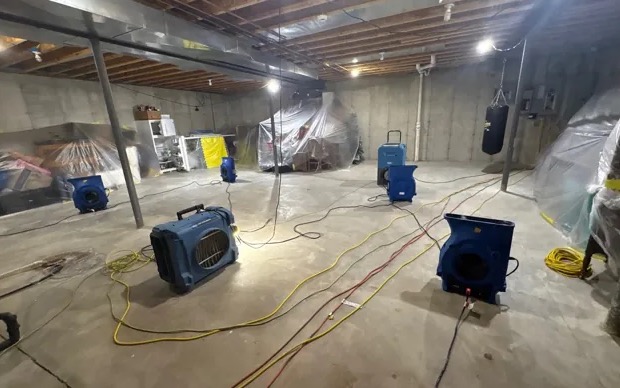
Dehumidification is the slow but necessary part of basement water removal in Kent. Pumps remove standing water quickly, but walls and concrete keep releasing moisture for days.
Homes in Kent and nearby Des Moines, Lakeland North and SeaTac with basements face storm seepage, sewer backups and plumbing leaks. Help with basement water removal covers pump-out, wall and floor drying and dehumidification.
Professional Basement Water Removal Offerings
Emergency Basement Flooding
A flooded basement threatens the furnace, water heater and anything stored on the floor. Fast pumping protects what can still be saved.
Basement Dehumidification
After drying, a household dehumidifier may still be needed to keep basement humidity in a healthy range.
Basement Drying Services
Drying plans for basements account for cool air and thick concrete, which hold moisture longer than upper floors.
Basement Water Pump Out
A pump-out removes standing water from the basement with submersible pumps, discharging it outside and away from the foundation.
Basement Wall Drying
Basement walls are checked with moisture meters. Wet drywall is cut back above the water line, and insulation behind it is removed.
Common Symptoms Requiring Basement Water Removal
Warped or Buckling Flooring
Flooring that buckles, lifts or feels spongy has water trapped between it and the slab.
Standing Water in Basement
Standing water anywhere on the basement floor needs to be pumped out before it soaks the walls.
Musty Odors and Mold Smell
A musty or damp smell in the basement points to wet materials hidden somewhere in the space.
Mold or Mildew
Dark spots on drywall, framing or stored items mean the area has stayed wet for days.
How Basement Water Removal Works in Kent
Step 1: First Call and Initial Assessment
The source, the type of water and the depth are checked, and the water level is photographed.
Step 2: Bulk Water and Contaminant Removal
Pumps remove standing water, and carpet, pad or drywall touched by dirty water is removed.
Step 3: Drying With Monitoring
Dehumidifiers and air movers run around the clock, with readings logged every day on walls and slab.
Step 4: Post-Drying Evaluation and Documentation
Final readings and photos are compiled to show the basement is dry and what was removed.
Sources of Basement Water Problems
Sump Pump Malfunction or Power Loss
A sump pump that fails mechanically or loses power during a storm lets groundwater rise.
Improper Landscape Grading
Soil that slopes toward the house directs rainwater straight to the basement walls.
Sewer Line Backups and Blockages
A blocked sewer line can push wastewater up through basement floor drains and toilets.
Window Well Leaks and Drainage
Window wells without drains or covers fill with rain and leak through the windows.
House and Business Basement Water Removal in Kent
Residential Basement Water Removal
Families should keep children and pets away from basement water until power is safe and the type of water is known.
Commercial Basement Water Removal
In restaurants and shops, basement water near food or stock storage needs removal and cleaning before those areas are used again.
When to Hire Local Pros for Basement Water Removal
Water that came up through a floor drain may be sewage. Avoid touching it, keep children and pets away and call local water damage pros for cleanup with protective gear and disinfection.
Basement Water Removal Cost in Kent, WA
In Kent, the drying phase usually costs more than the pumping, because basements need equipment running for several days.
Access and Complexity
Narrow stairs, low ceilings and crowded storage areas make the work slower and longer.
Drying Time Required
Basements dry slowly, and each extra day of equipment adds to the total.
Time of Service
Night, weekend and storm calls can cost more than a scheduled weekday visit.
Does Insurance Cover Basement Water Removal?
Coverage for basement water removal depends on the water source and your policy. The pros document the damage and drying, and your insurer decides what is covered.
Why Kent Homeowners Trust Local Pros for Basement Water Removal
Contamination Safety Protocols
Sewage and dirty water are handled with protective gear, containment and disinfection.
Methodical Water Removal Process
Water is removed in a set order: pump-out, extraction, removal of soaked materials, then drying.
Detailed Damage Documentation
Photos, readings and drying logs are kept to support your insurance claim.
24/7 Emergency Basement Water Removal in Kent
Water still rising in the basement? Call (425) 406-3256 now for basement water removal in Kent before the water reaches finished rooms and stored belongings.
Call Now (425) 406-3256Basement Water Removal Serving Kent and Surroundings
Need basement water removal outside Kent? Service also covers Des Moines, Lakeland North and SeaTac, including emergency help during storms.
- Basement Water Removal in Des Moines
- Basement Water Removal in Lakeland North
- Basement Water Removal in SeaTac
- Basement Water Removal in Auburn
- Basement Water Removal in Fairwood
- Basement Water Removal in Federal Way
- Basement Water Removal in Tukwila
- Basement Water Removal in Covington
- Emergency Damage Restoration in 98030
- Storm Damage Restoration in 98030
- Water Damage Restoration in 98030
- Water Extraction Service in 98030
- Water Leak Detection in 98030
- Water Removal Service in 98030
- Emergency Damage Restoration in 98031
- Storm Damage Restoration in 98031
Answers to Top Basement Water Removal Queries
Is a sump pump failure an emergency?
Yes, especially during rain. Groundwater can rise quickly once the pump stops, flooding the floor and finished rooms.
What causes basement floor water damage?
Storm seepage, burst pipes, appliance leaks, foundation cracks and sewer backups through floor drains are the usual sources.
What is the difference between a pump out and extraction?
A pump out removes deep standing water. Extraction pulls the remaining water from carpet, pad and floors.
Why is fast water removal so important for basements?
Basements dry slowly, so every hour of standing water adds drying days and more materials to replace.
How long does basement drying take?
Often several days or longer, because concrete and cool basement air hold moisture. Daily readings show when it is done.