Trusted by 160+ Homeowners
Behind Wall Water Extraction in Maple Valley, WA
- Over 161 5-Star Reviews
- Free Estimates and Quotes
- 100% Satisfaction Guaranteed
- Child, Family & Pet Safe Steps
- 24-Hour Emergency Service
- Fully Licensed & Insured
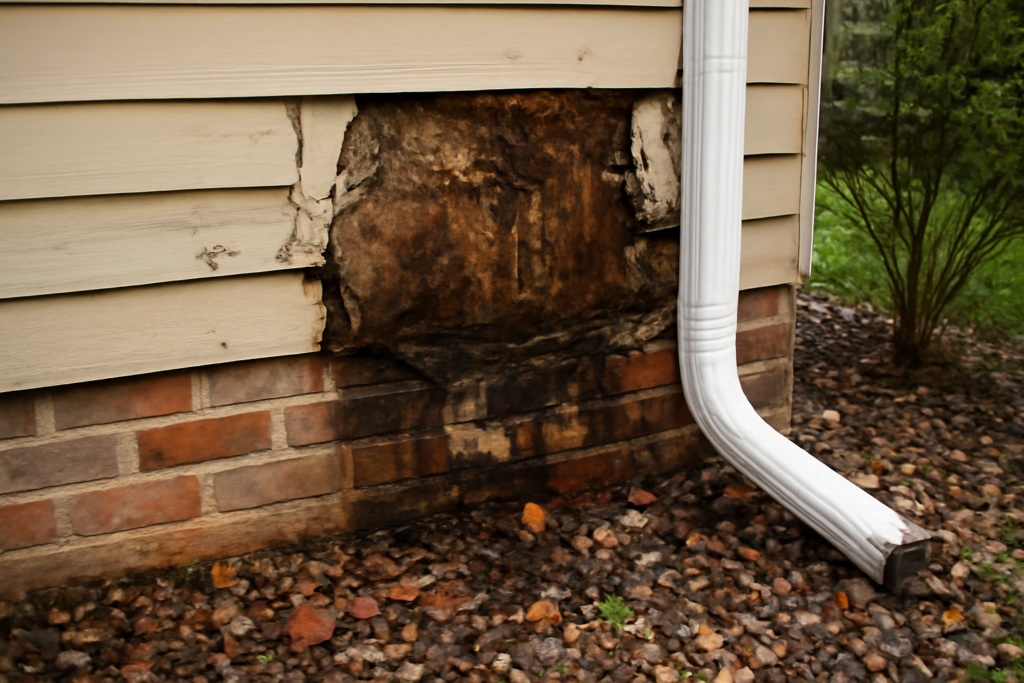
Behind Wall Water Extraction in Maple Valley, WA: What You Need to Know
Don’t let behind wall water damage spread and cause more harm to your home. Water can seep into walls through cracks, holes, or poor construction, leading to mold, rot, and structural issues. Your home’s walls can hide significant water damage, so it’s essential to address the problem quickly. Our team in Maple Valley, WA, can help you extract water behind walls and prevent further damage. Call us within 60 minutes of discovery, and we’ll send our crew to assess and extract water, usually within 3-5 hours.
With 165+ five-star reviews, you can trust our team for behind wall water extraction in Maple Valley, WA. Our customers have seen the devastating effects of water damage and chose us for our rapid response time, affordable prices, and high-quality service. We’ll work with your insurance company to ensure you get the best deal and maximum coverage for your claim. Our team is IICRC-certified and dedicated to providing you with a stress-free experience.
- We extract water behind walls to prevent mold growth and structural damage.
- We use advanced equipment, such as truck-mounted extractors and air movers, to dry your walls quickly and efficiently.
- We’ll work with your insurance company to ensure you get the best deal and maximum coverage for your claim.
Behind Wall Water Extraction Process: How We Work
When you call us, our team will arrive within 60 minutes, equipped with the necessary tools and equipment to extract water behind walls. Our process is designed to be efficient and effective, ensuring that your walls are dry and safe from further damage. We’ll work quickly to extract water, usually within 3-5 hours, and then dry your walls using advanced equipment. Our crew will also inspect your walls for any signs of damage or rot and provide you with a written estimate for repairs.
Step 1: Assessment and Planning
Our crew will arrive at your home, assess the damage, and find out the best course of action to extract water behind walls. We’ll take note of the size of the affected area, the type of construction, and any potential hazards. Based on this information, we’ll develop a customized plan to extract water and dry your walls.
Step 2: Water Extraction
Using advanced equipment, such as truck-mounted extractors, our crew will extract water behind walls, usually within 3-5 hours. We’ll use a combination of vacuum suction and wet/dry vacuums to remove water and reduce drying time.
Step 3: Drying and Inspection
Once the water has been extracted, our crew will use air movers and dehumidifiers to dry your walls. We’ll also inspect your walls for any signs of damage or rot and provide you with a written estimate for repairs.
Step 4: Repair and Restoration
If necessary, our crew will repair any damage to your walls, including replacing drywall, painting, and repairing any structural issues. We’ll work with your insurance company to ensure that you get the best deal and maximum coverage for your claim.
Step 5: Follow-up and Debriefing
After the job is complete, our crew will follow up with you to ensure that you’re satisfied with the work and to answer any questions you may have. We’ll also provide you with a written report detailing the work we did and any repairs that were made.
Don’t wait, call us today to schedule an appointment and get your behind wall water extraction started! Our team is available 24/7 to help you with any water damage emergencies.
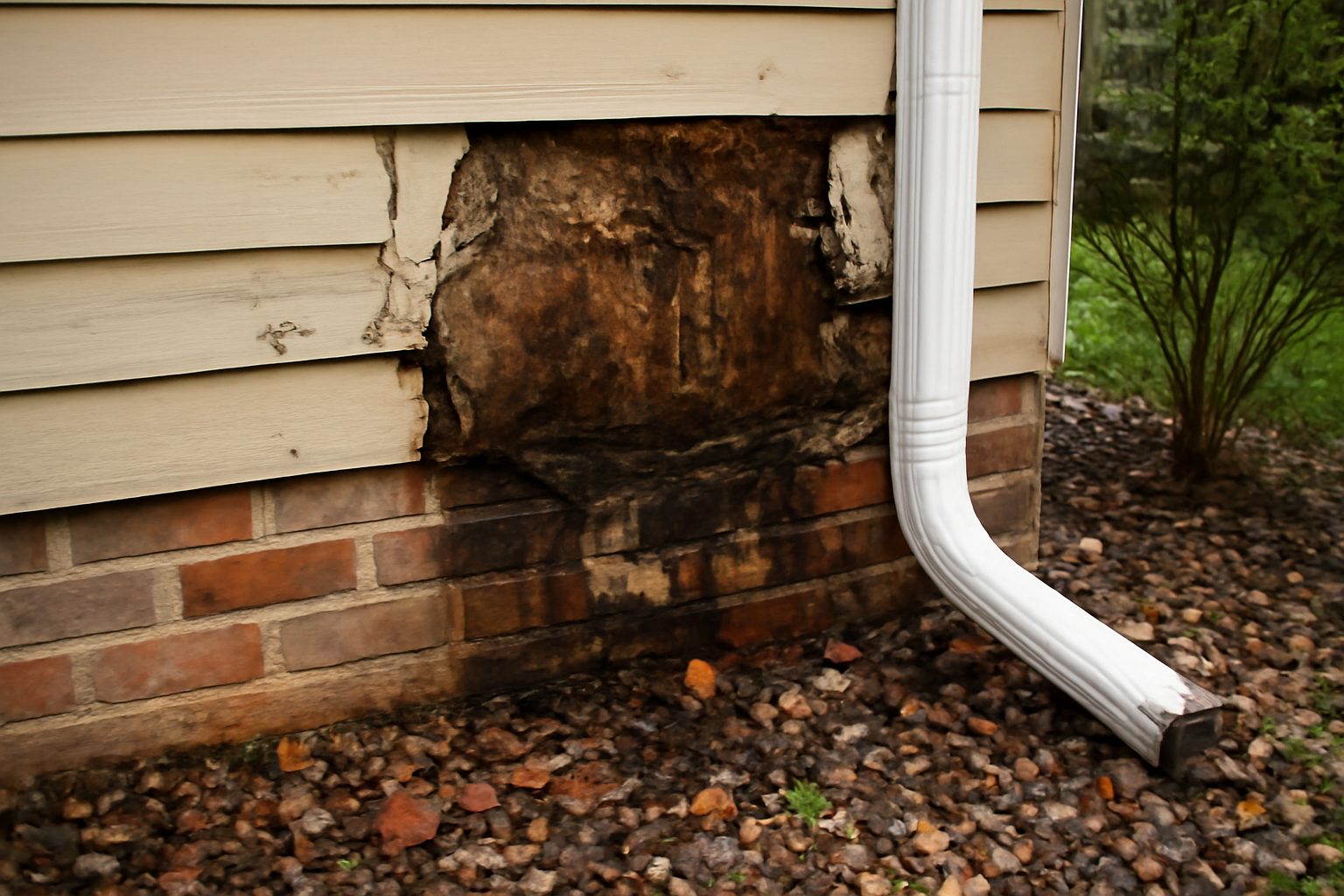
Warning Signs You Need Behind Wall Water Extraction
Catching behind wall water damage early can save you money and prevent bigger problems. Here are some warning signs you need to watch out for:
Water Stains on Walls or Ceiling
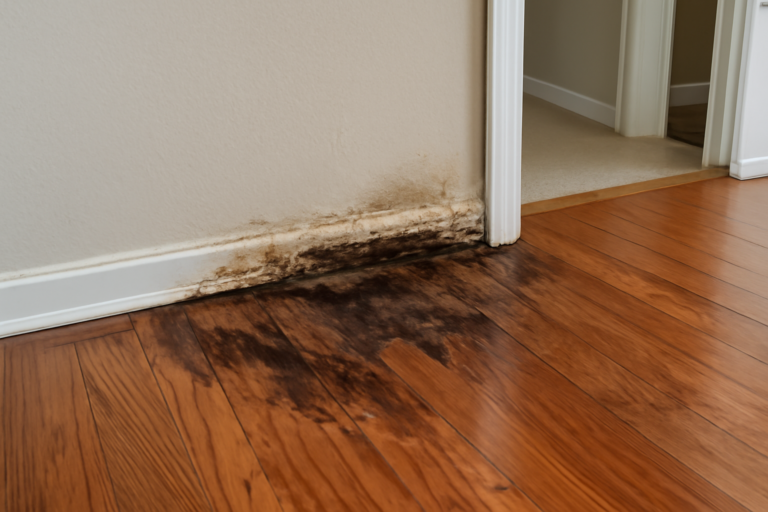
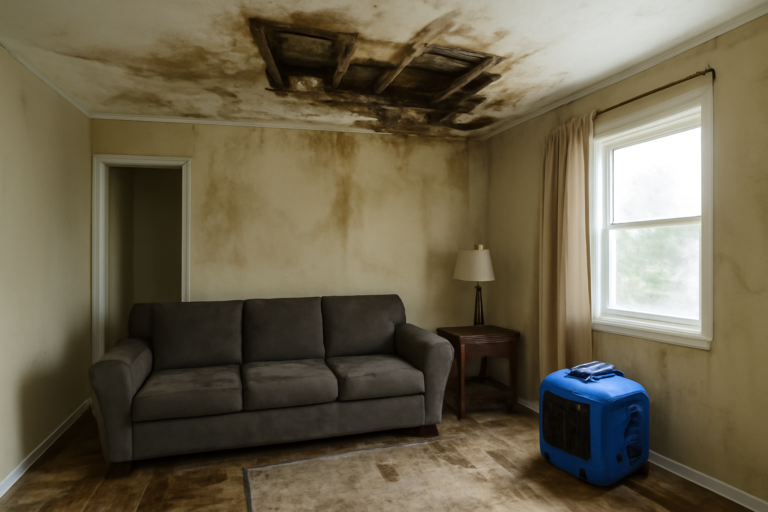
Water spots on your walls or ceiling can show that water has seeped behind the walls. If you notice any water stains, it’s essential to investigate further to find out the source of the issue.
Mold or Mildew Growth
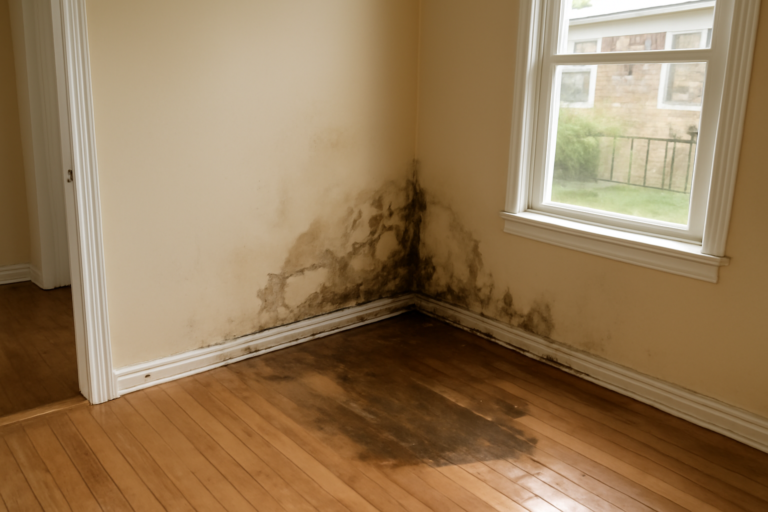
Mold and mildew can grow behind walls, especially in areas with high humidity. If you notice any signs of mold or mildew, it’s crucial to address the issue quickly to prevent further damage.
Warped or Buckled Walls
Warped or buckled walls can show that water has seeped behind the walls, causing structural damage. If you notice any signs of warping or buckling, it’s essential to investigate further to find out the extent of the damage.
Musty Odors
Musty odors can show that mold or mildew is growing behind walls. If you notice any musty odors, it’s essential to investigate further to find out the source of the issue.
Water Sounds or Running Leaks
Water sounds or running leaks can show that water is seeping behind walls. If you notice any water sounds or running leaks, it’s essential to investigate further to find out the source of the issue.
Signs of Rot or Decay
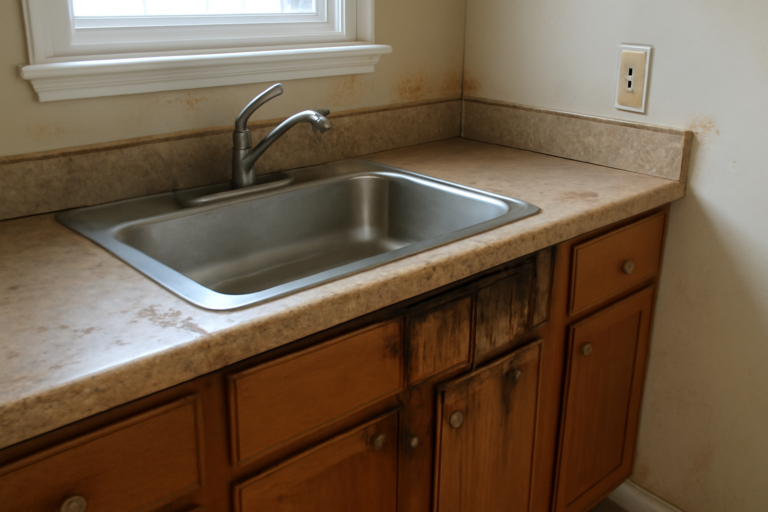
Signs of rot or decay, such as soft spots or crumbling wood, can show that water has seeped behind walls, causing structural damage. If you notice any signs of rot or decay, it’s essential to investigate further to find out the extent of the damage.
Behind Wall Water Extraction vs. DIY: When to Call a Professional
| Situation | DIY? | Call a Pro? | Why |
|---|---|---|---|
| Small water spill behind a wall | Yes | No | DIY is fine for small water spills, but it’s essential to dry the area quickly to prevent mold growth. |
| Significant water damage behind a wall | No | Yes | Significant water damage behind a wall needs professional extraction and drying to prevent structural damage and mold growth. |
| Water damage behind walls in an apartment complex | No | Yes | Water damage behind walls in an apartment complex needs professional extraction and drying to prevent further damage and ensure safety for tenants. |
| Water stains on walls or ceiling | No | Yes | Water stains on walls or ceiling can show water damage behind walls, which needs professional extraction and drying to prevent further damage. |
| Mold or mildew growth behind walls | No | Yes | Mold and mildew growth behind walls need professional remediation to prevent further damage and ensure safety for occupants. |
| Structural damage behind walls | No | Yes | Structural damage behind walls needs professional repair and restoration to prevent further damage and ensure safety for occupants. |
As you can see, there are many situations where it’s best to call a professional for behind wall water extraction. Our team has the expertise, equipment, and experience to handle even the most complex water damage issues.
Behind Wall Water Extraction Cost in Maple Valley, WA
The cost of behind wall water extraction in Maple Valley, WA, can vary based on the severity of the damage, the size of the affected area, and local conditions. Our prices are estimates and may vary depending on the specific job. Here’s a general idea of what you might expect to pay:
| Service | Typical Price Range | What Affects Cost |
|---|---|---|
| Behind wall water extraction | $500 – $2,500 | Size of affected area, type of construction, and local conditions |
| Water damage repair | $1,000 – $5,000 | Severity of damage, size of affected area, and type of repairs needed |
| Mold remediation | $500 – $2,000 | Size of affected area, type of mold, and complexity of remediation |
| Structural damage repair | $1,500 – $10,000 | Severity of damage, size of affected area, and type of repairs needed |
| Dehumidification and drying | $500 – $2,000 | Size of affected area and type of equipment needed |
| Disinfection and sanitation | $200 – $1,000 | Size of affected area and type of disinfection needed |
Keep in mind that these are just estimates, and the actual cost will depend on the specific job and local conditions. We offer free estimates and will provide you with a detailed breakdown of the costs involved.
Service Areas Near Maple Valley, WA
We serve the following nearby communities: Bellevue, Issaquah, Renton, Kent, Auburn, Federal Way, Tacoma, Puyallup, Sumner, Orting, Graham, Eatonville, Lakewood, University Place, Fife, Milton, Edgewood, Puyallup, South Hill, and Spanaway.
Common Questions About Behind Wall Water Extraction
Q: What causes behind wall water damage?
A: Behind wall water damage can be caused by a variety of factors, including leaks, floods, storms, and poor construction. It’s essential to address the issue quickly to prevent further damage and ensure safety for occupants.
Q: How long does it take to extract water behind walls?
A: The time it takes to extract water behind walls can vary depending on the severity of the damage and the size of the affected area. But, our team can usually extract water within 3-5 hours.
Q: What equipment do you use for behind wall water extraction?
A: We use advanced equipment, such as truck-mounted extractors and air movers, to extract water behind walls. Our equipment is designed to be efficient and effective, ensuring that your walls are dry and safe from further damage.
Q: Can I do behind wall water extraction myself?
A: While it’s possible to try behind wall water extraction yourself, it’s not recommended. Water damage behind walls can be complex and needs specialized equipment and expertise to ensure safety and prevent further damage. It’s best to call a professional for behind wall water extraction.
Check Our Other Relevant Services

Joseph Park is a licensed Damage Restoration Expert with over 20 years of hands-on experience in disaster recovery and structural mitigation. As a respected industry authority, Joseph has spent two decades mastering the technical science of environmental safety, providing homeowners with the reliable expertise and steady leadership required to navigate high-stress property losses with absolute confidence.
𝗖𝗲𝗿𝘁𝗶𝗳𝗶𝗰𝗮𝘁𝗶𝗼𝗻𝘀: Joseph holds elite IICRC credentials, including Water Damage Restoration (WRT), Applied Structural Drying (ASD), Mold Remediation (AMRT), Fire and Smoke Restoration (FSRT), and Odor Control (OCT).
𝗙𝗮𝘃𝗼𝗿𝗶𝘁𝗲 𝗣𝗮𝘀𝘁𝗶𝗺𝗲: An enthusiast of precision and patience, Joseph enjoys restoring vintage timepieces and landscape gardening, hobbies that mirror the meticulous attention to detail he brings to every restoration project.
𝗕𝗲𝘀𝘁 𝗣𝗮𝗿𝘁 𝗼𝗳 𝘁𝗵𝗲 𝗷𝗼𝗯: He finds the most fulfillment in being the “calm during the storm,” helping families transition from the shock of property damage to the relief of a fully restored, healthy home.