Mill Creek, WA · Snohomish County
Contaminated Water Removal in Mill Creek, WASewage Backup Water Removal & Sewage Water Cleanup
Contaminated Water Removal in Mill Creek covers sewage backup water removal, black water extraction and contaminated carpet removal.
Answered 24/7
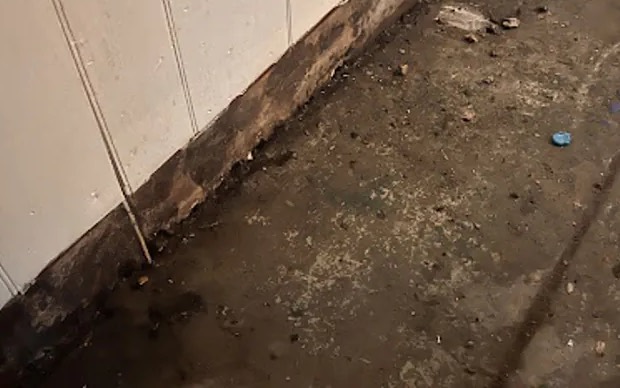
Expert Contaminated Water Removal for Mill Creek Homes and Businesses
Drying contaminated materials does not make them clean. In Mill Creek, running fans on sewage-soaked carpet or drywall spreads odor and contamination through the house.
Homeowners in Mill Creek can call (425) 406-3256 day or night when sewage or dirty water spreads. Service also covers Lake Stickney, Mill Creek East and North Lynnwood, with the same safety and cleanup steps.
Comprehensive Contaminated Water Removal Offerings in Snohomish County
Sewage Backup Water Removal
Sewage from a backed-up toilet, floor drain or tub is extracted with protective gear, and the affected area is sealed off from clean rooms.
Sewage Water Cleanup
Sewage water cleanup includes removing soaked materials, disinfecting surfaces and running air scrubbers while work continues.
Flooded Basement Cleanup
Basement floods often reach furnaces, water heaters and stored belongings. Items are sorted, and contaminated porous items are discarded.
Black Water Extraction
Black water extraction starts with containment, so contamination is not tracked through the house during cleanup.
Contaminated Carpet Removal
Contaminated carpet is extracted first to reduce weight and dripping, then removed in sections and disposed of properly.
When to Call for Contaminated Water Removal in Mill Creek, WA
Persistent Wet Carpet Issues
Carpet that stays wet and smells sour after a leak may have turned contaminated over time.
Black Water After Heavy Rains
Water that flowed in from outside after heavy rain carries soil and contaminants and is treated as black water.
Discolored Water in Basement
Dark or cloudy water in a basement often carries soil, sewage or debris from outside.
Foul Odors From Standing Water
Standing water with a foul or sewage smell is contaminated and should not be touched without protection.
How Contaminated Water Removal Works in Mill Creek
Step 1: Initial Hazard Assessment
The type of contamination is identified and the right protective gear is chosen.
Step 2: Source Control and Water Extraction
The backup or leak is stopped, and contaminated water is extracted right away.
Step 3: Removal and Disposal
Contaminated materials are removed, bagged and disposed of according to local rules for that kind of waste.
Step 4: Drying and Dehumidification
Clean surfaces are dried with dehumidifiers and air movers until readings are normal.
What Causes Contaminated Water Incidents in Mill Creek
Landscape Irrigation Issues
Irrigation runoff carrying fertilizer and soil can seep into lower levels through walls.
Sump Pump Overwhelm or Failure
A sump pump that fails or is overwhelmed lets dirty groundwater rise into the basement.
Gray Water Source Overflow
Overflowing laundry tubs and sinks send gray water across floors and into nearby rooms.
Industrial or Chemical Spills
Spills of fuel, oil or chemicals can mix with water and spread across floors and soil.
Contaminated Water Removal for Homes and Businesses in Mill Creek, WA
Residential Contaminated Water Removal
A gray water leak from a washer is often less severe than sewage, but it still needs cleaning before drying.
Commercial Contaminated Water Removal
Medical offices, schools and childcare centers need contaminated water cleanup that meets the health rules for those spaces before reopening.
Professional Contaminated Water Removal Over DIY in Mill Creek, WA
Bleach poured on sewage can create harsh fumes and does not clean porous materials. Contaminated carpet, pad and drywall need to be removed, not sprayed.
Understanding Contaminated Water Removal Cost in Mill Creek, WA
A sewage backup cleaned up the same day in Mill Creek usually costs less than one left to soak into walls and floors for days.
Required Drying Time
Drying after cleaning can take several days, and each day of equipment adds cost.
Access Complexity
Crawl spaces, basements and tight areas take longer to reach and clean safely.
Contamination Category
Black water costs more to clean up than gray water, since more materials are removed and disinfected.
Does Insurance Cover Contaminated Water Removal?
Insurers often ask where the water came from, since coverage for sewage, gray water and floodwater differs. Notes on the source help answer that.
Selecting Local Pros in Mill Creek for Your Contaminated Water Removal
Preventive Mold Strategies
Fast cleanup and drying, plus treatment where needed, limits microbial growth after contaminated water.
Advanced Extraction Equipment
Pumps and extractors remove contaminated water quickly, with less contact and spread.
Industry Standards
Cleanup follows industry standards for gray and black water, including removal of porous materials.
Always-Available Emergency Contaminated Water Removal in Mill Creek
Sewage or dirty water spreading in Mill Creek? Stop running water in the house, keep everyone away and call (425) 406-3256. Help is available 24/7.
Call Now (425) 406-3256Contaminated Water Removal for Mill Creek and Surrounding Communities
Besides Mill Creek, local water damage pros handle contaminated water cleanup and disinfection in nearby Lake Stickney, Mill Creek East and North Lynnwood.
- Contaminated Water Removal in Lake Stickney
- Contaminated Water Removal in Mill Creek East
- Contaminated Water Removal in North Lynnwood
- Contaminated Water Removal in Eastmont
- Contaminated Water Removal in Silver Firs
- Contaminated Water Removal in Lynnwood
- Contaminated Water Removal in Bothell
- Contaminated Water Removal in Meadowdale
- Emergency Damage Restoration in 98082
- Storm Damage Restoration in 98082
- Water Damage Restoration in 98082
- Water Extraction Service in 98082
- Water Leak Detection in 98082
- Water Removal Service in 98082
Frequently Asked Questions About Contaminated Water Removal
What are dehumidification services used for after contaminated water?
Drying walls, floors and framing after cleaning, so cleaned surfaces do not stay damp.
What should be done while waiting for contaminated water removal?
Stop water use, keep people and pets away, shut off power to wet areas if safe and take photos.
What is the difference between water extraction and restoration?
Extraction removes the water. Restoration includes cleaning, disinfection, drying and preparing the area for repairs.
What happens during the drying phase after cleanup?
Air movers and dehumidifiers dry the cleaned structure, and readings are taken daily until it is normal.
Why is immediate action critical for contaminated water?
Contamination spreads into more materials and rooms over time, raising the cost and the health risk.