Trusted by 160+ Homeowners
Floodwater Removal in Auburn, WA
- Over 161 5-Star Reviews
- Free Estimates and Quotes
- 100% Satisfaction Guaranteed
- Child, Family & Pet Safe Steps
- 24-Hour Emergency Service
- Fully Licensed & Insured
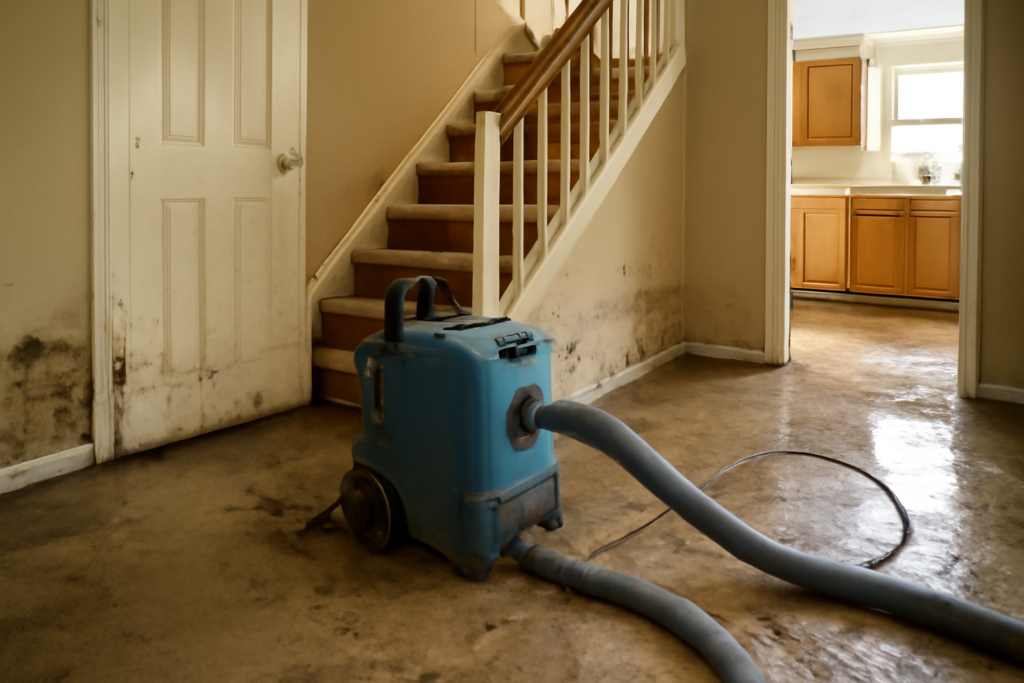
Floodwater Removal in Auburn, WA: The Hidden Costs of Delay
Did you know that floodwater can cause up to 60% of its water to seep into drywall and wood within the first 24 hours? That’s why prompt action is crucial when dealing with floodwater removal. In Auburn, WA, homeowners often underestimate the severity of water damage, which can lead to costly repairs and even health risks. Our team is here to guide you through the process and help you avoid these hidden costs.
With over 165+ five-star reviews, our team has earned the trust of local homeowners for its expertise in floodwater removal. We understand the stress and uncertainty that comes with dealing with water damage, and we’re committed to providing you with a seamless experience from start to finish.
- Our team uses advanced equipment to extract water within 60 minutes, reducing the risk of further damage and mold growth.
- We work closely with your insurance company to ensure a smooth claims process and reduce out-of-pocket expenses.
- Our IICRC-certified technicians use specialized techniques to dry and dehumidify your property, preventing secondary damage and ensuring a safe living environment.
How Our Floodwater Removal Service Actually Works
Our team follows a meticulous process to ensure that every aspect of floodwater removal is handled with care and attention to detail. From the initial assessment to the final inspection, we’re committed to providing you with a stress-free experience. When corners are cut, it can lead to costly rework, further damage, and even health risks. That’s why we take the time to do it right the first time.
Step 1: Assessment and Planning
Our team arrives at your property within 60 minutes to assess the damage and develop a customized plan for floodwater removal. We use specialized equipment to identify areas of standing water, moisture, and potential safety hazards. Our goal is to provide you with a clear understanding of the scope of work and the necessary steps to restore your property.
Step 2: Water Extraction
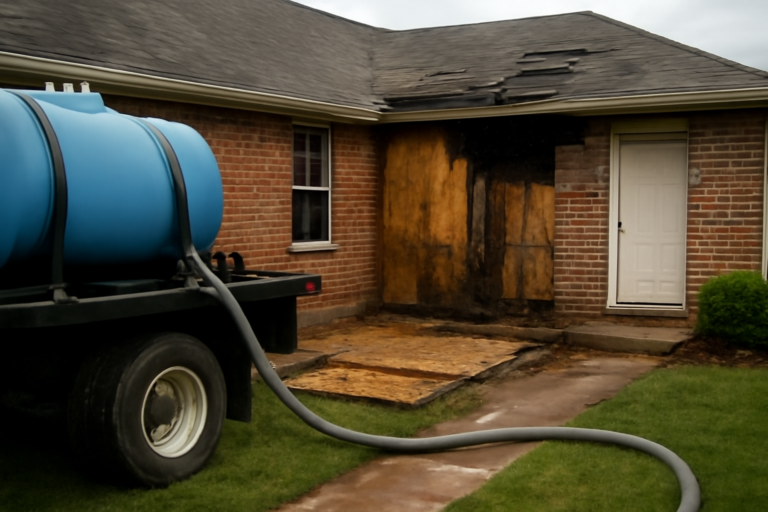
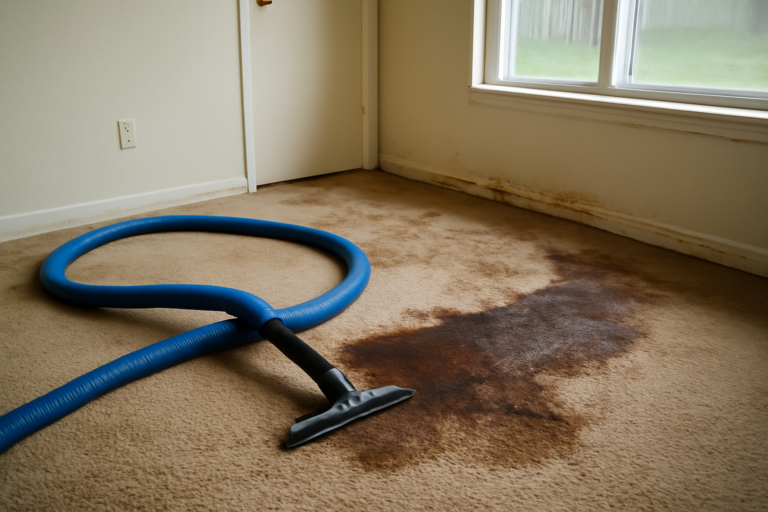
We use advanced equipment to extract water from your property, including wet/dry vacuums, pumps, and specialized extraction tools. Our team works efficiently to reduce the risk of further damage and mold growth. We’ll also remove any unsalvageable materials and debris to prevent secondary damage.
Step 3: Drying and Dehumidification
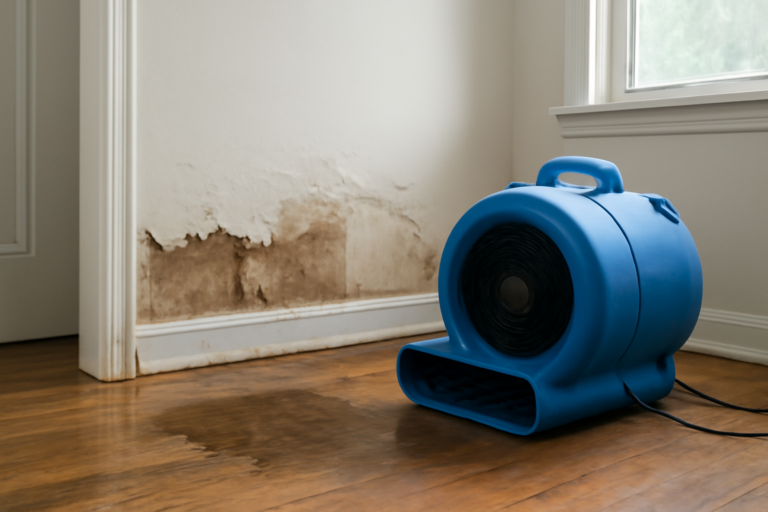
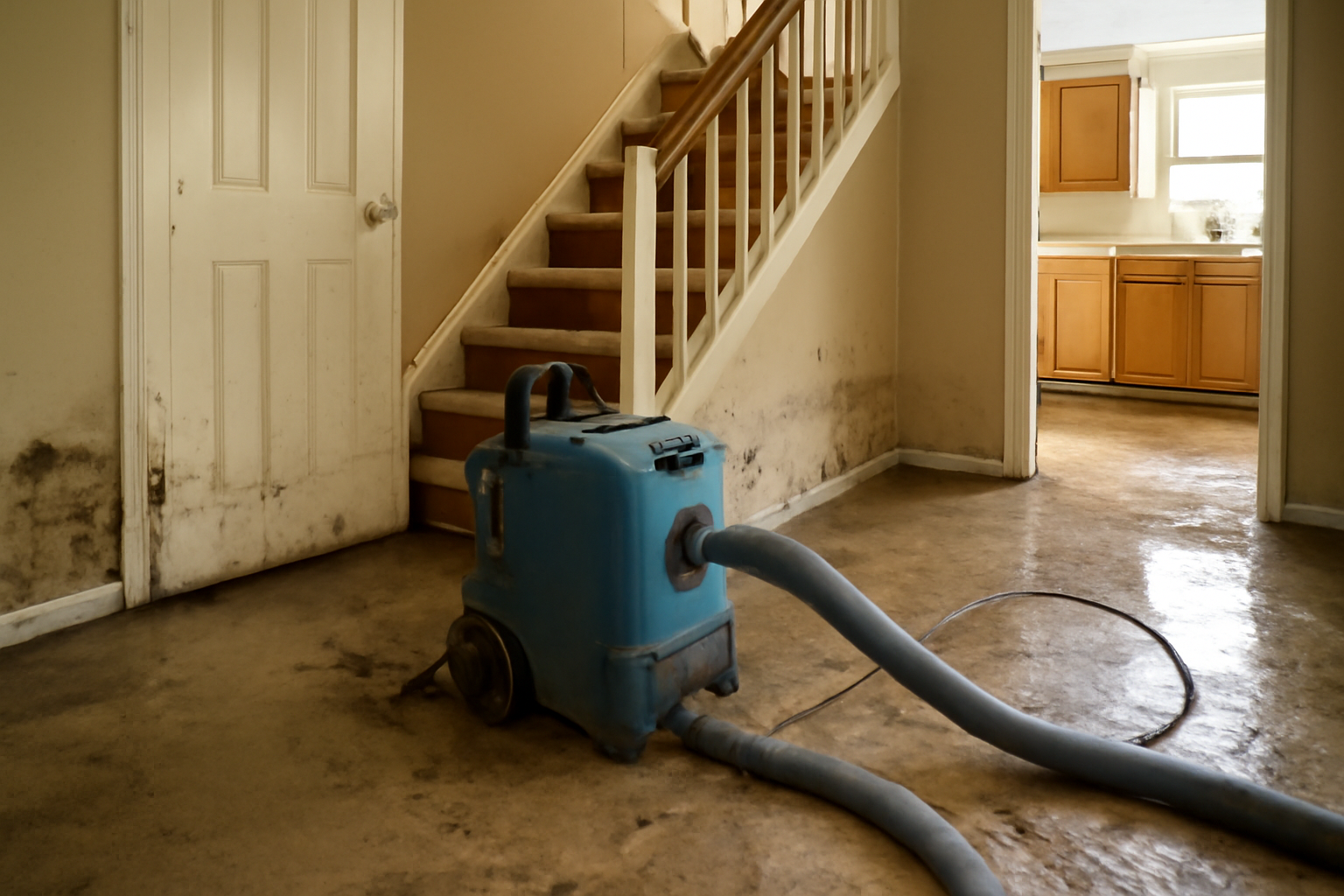
Our IICRC-certified technicians use specialized equipment to dry and dehumidify your property, preventing secondary damage and ensuring a safe living environment. We’ll also monitor humidity levels and adjust our equipment as needed to ensure best drying conditions.
Step 4: Sanitizing and Disinfecting
We use specialized cleaning solutions and equipment to sanitize and disinfect your property, removing any remaining bacteria, mold, or mildew. Our goal is to provide you with a safe and healthy living environment.
Step 5: Final Inspection and Restoration
Our team conducts a thorough final inspection to ensure that your property has been restored to its pre-flood condition. We’ll also provide you with a comprehensive report outlining the work completed and any recommendations for future maintenance.
Don’t wait until it’s too late, contact our team today to schedule a free consultation and take the first step towards restoring your property.
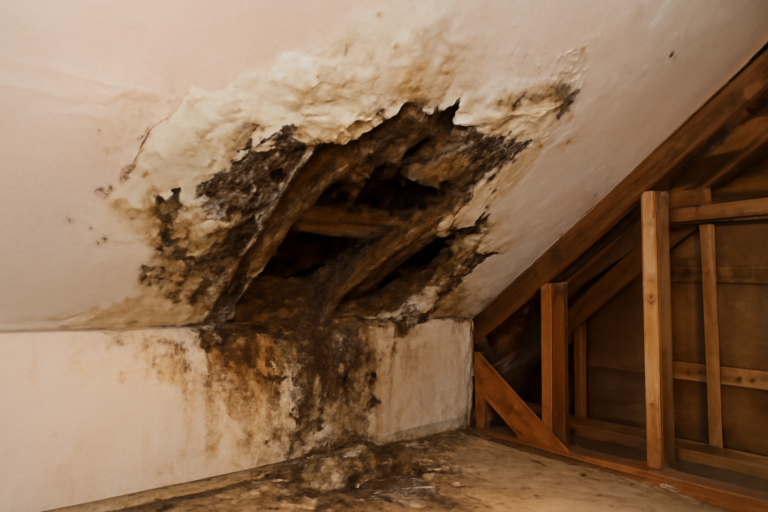
Warning Signs You Need Floodwater Removal
Catching these signs early can save you thousands of dollars in repairs and prevent bigger problems down the line. Our team is here to help you identify the warning signs and take prompt action.
Musty Odors That Won’t Go Away
Strong, persistent musty odors can be a sign of mold growth or water damage. If you notice these odors, it’s essential to act quickly to prevent further damage and health risks.
Warped or Buckled Flooring
Warped or buckled flooring can be a sign of water damage or excessive moisture. If you notice these issues, it’s crucial to address them quickly to prevent further damage and costly repairs.
Peeling Paint or Wallpaper
Peeling paint or wallpaper can be a sign of water damage or excessive moisture. If you notice these issues, it’s essential to address them quickly to prevent further damage and costly repairs.
Discoloration or Staining
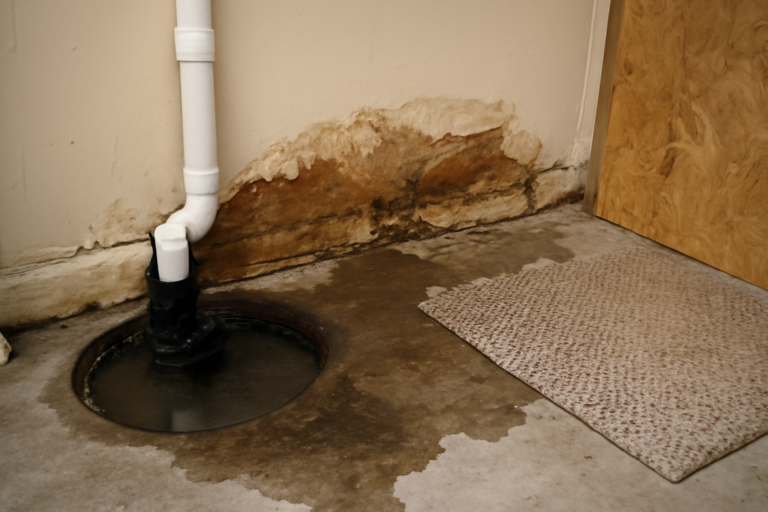
Discoloration or staining on walls, ceilings, or floors can be a sign of water damage or excessive moisture. If you notice these issues, it’s crucial to address them quickly to prevent further damage and costly repairs.
Unusual Sounds or Creaks
Unusual sounds or creaks in your walls or floors can be a sign of water damage or structural issues. If you notice these issues, it’s essential to address them quickly to prevent further damage and costly repairs.
Floodwater Removal vs. DIY: When To Call a Professional
| Situation | DIY? | Call a Pro? | Why |
|---|---|---|---|
| Standing water over 1 inch deep | No | Yes | Standing water can lead to mold growth and further damage if not addressed quickly. |
| Water damage to structural elements (e.g., walls, floors, ceilings) | No | Yes | Water damage to structural elements can compromise the integrity of your property and lead to costly repairs. |
| Presence of mold or mildew | No | Yes | Mold and mildew can pose serious health risks and need specialized equipment and techniques to remove. |
| Water damage to electrical systems or appliances | No | Yes | Water damage to electrical systems or appliances can lead to electrical shock, fires, or other safety hazards. |
| Water damage to sensitive materials (e.g., wood, drywall, carpets) | No | Yes | Sensitive materials need specialized care and handling to prevent further damage and ensure best drying conditions. |
| Large or complex water damage scenarios | No | Yes | Large or complex water damage scenarios need specialized equipment, techniques, and expertise to ensure a thorough and effective restoration. |
While DIY floodwater removal may seem like a cost-effective solution, it can often lead to more harm than good. Don’t risk your health, safety, and property, call a professional to ensure a thorough and effective restoration.
Floodwater Removal Cost In Auburn, WA
The cost of floodwater removal can vary greatly depending on the severity, size of the affected area, and local conditions in Auburn, WA. Our team provides free estimates to help you understand the scope of work and the necessary steps to restore your property.
| Service | Typical Price Range | What Affects Cost |
|---|---|---|
| Water Extraction | $500 – $2,500 | Size of affected area, depth of standing water, and equipment required |
| Drying and Dehumidification | $1,000 – $5,000 | Size of affected area, humidity levels, and equipment required |
| Sanitizing and Disinfecting | $500 – $2,000 | Size of affected area, type of surfaces, and equipment required |
| Final Inspection and Restoration | $1,000 – $3,000 | Size of affected area, scope of work, and equipment required |
| Specialized Equipment Rental | $500 – $2,000 | Type of equipment required, rental duration, and transportation costs |
| Disposal of Unsustainable Materials | $500 – $2,000 | Quantity and type of materials, disposal costs, and transportation costs |
Exact pricing depends on an on-site assessment, and free estimates are available upon request. Our team is committed to providing you with a transparent and cost-effective solution for your floodwater removal needs.
Service Areas Near Auburn, WA
We serve the following nearby communities: Federal Way, Puyallup, Sumner, Orting, Fife, Parkland, Edgewood, Milton, and more.
Common Questions About Floodwater Removal
What is the typical timeline for floodwater removal?
The typical timeline for floodwater removal can vary depending on the severity and size of the affected area. Our team works efficiently to reduce downtime and ensure a thorough restoration. On average, our services can take anywhere from 3-5 days to complete.
Is floodwater removal covered by insurance?
Floodwater removal may be covered by your insurance policy, depending on the type of coverage and the circumstances surrounding the damage. Our team works closely with your insurance company to ensure a smooth claims process and reduce out-of-pocket expenses.
Can I perform floodwater removal myself?
While DIY floodwater removal may seem like a cost-effective solution, it can often lead to more harm than good. Our team has the necessary expertise, equipment, and training to ensure a thorough and effective restoration. Don’t risk your health, safety, and property, call a professional.
What are the health risks associated with floodwater removal?
Floodwater can pose serious health risks, including exposure to bacteria, mold, and mildew. Our team uses specialized equipment and techniques to remove these hazards and ensure a safe living environment.
Can I prevent floodwater damage in the future?
Yes, there are steps you can take to prevent floodwater damage in the future. Our team can provide you with recommendations for flood-proofing your property, including installing flood gates, sump pumps, and backup power systems.
Check Our Other Relevant Services

Joseph Park is a licensed Damage Restoration Expert with over 20 years of hands-on experience in disaster recovery and structural mitigation. As a respected industry authority, Joseph has spent two decades mastering the technical science of environmental safety, providing homeowners with the reliable expertise and steady leadership required to navigate high-stress property losses with absolute confidence.
𝗖𝗲𝗿𝘁𝗶𝗳𝗶𝗰𝗮𝘁𝗶𝗼𝗻𝘀: Joseph holds elite IICRC credentials, including Water Damage Restoration (WRT), Applied Structural Drying (ASD), Mold Remediation (AMRT), Fire and Smoke Restoration (FSRT), and Odor Control (OCT).
𝗙𝗮𝘃𝗼𝗿𝗶𝘁𝗲 𝗣𝗮𝘀𝘁𝗶𝗺𝗲: An enthusiast of precision and patience, Joseph enjoys restoring vintage timepieces and landscape gardening, hobbies that mirror the meticulous attention to detail he brings to every restoration project.
𝗕𝗲𝘀𝘁 𝗣𝗮𝗿𝘁 𝗼𝗳 𝘁𝗵𝗲 𝗷𝗼𝗯: He finds the most fulfillment in being the “calm during the storm,” helping families transition from the shock of property damage to the relief of a fully restored, healthy home.