Lynnwood, WA · Snohomish County
Floor Water Damage Restoration in Lynnwood, WATile Floor Water Damage Restoration & Subfloor Water Damage Repair
Floor Water Damage Restoration in Lynnwood covers subfloor water damage repair, emergency floor water removal and vinyl floor water damage cleanup.
Answered 24/7
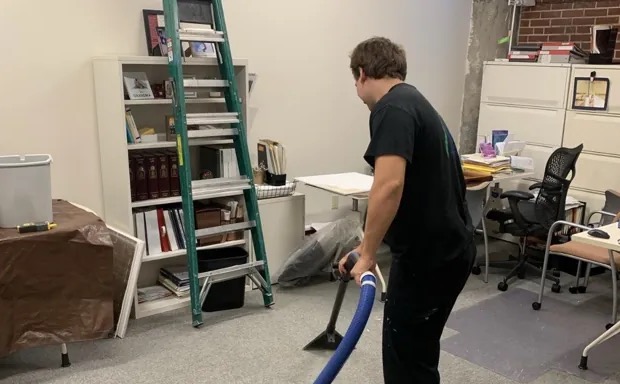
Floor Water Damage Restoration Experts Serving Lynnwood, WA
Moisture trapped beneath a floor's surface is a silent problem that leads to costly repairs. In the climate around Lynnwood, hidden dampness can persist and cause unseen decay.
Wet floor restoration services in Lynnwood and nearby areas like Meadowdale, North Lynnwood and Mountlake Terrace focus on thorough moisture extraction from all flooring layers. This helps preserve the integrity of homes in Lynnwood.
Floor Water Damage Restoration Services in Lynnwood
Tile Floor Water Damage Restoration
Water under tile puts the subfloor at risk. Local floor water removal experts extract standing water and run dehumidifiers to draw moisture from underneath.
Subfloor Water Damage Repair
The experts in Lynnwood make sure the subfloor is completely dry and treated before new flooring is installed.
Vinyl Floor Water Damage Cleanup
Vinyl is not waterproof at the seams. When water gets underneath, the experts extract it and dry the subfloor before the vinyl lifts further.
Laminate Floor Water Damage Cleanup
Water in laminate seams swells the core. The experts extract the water and remove damaged planks before new flooring goes in.
Concrete Floor Drying Services
In Lynnwood, water under a slab can keep humidity high. A targeted drying setup removes the moisture vapor before flooring is installed.
Warning Signs You Need Floor Water Damage Restoration
Laminate Floor Swelling
Swollen edges or a pillowed look on laminate planks means the fiberboard core has soaked up water and will not flatten again.
Tile Grout Deterioration
Crumbling or discolored grout lets water seep under tiles and soak the underlayment, often long before tiles loosen.
Visible Mold or Mildew
Fuzzy mold or black speckling on baseboards or flooring is a serious health hazard, indicating prolonged moisture in floor materials.
Buckling or Warping Boards
Hardwood or laminate planks that lift or curl at the edges usually mean water has reached the underside of the boards.
How Floor Water Damage Restoration Works in Lynnwood
Step 1: Water Mitigation
The work starts by removing water quickly with truck-mounted extractors to keep the damage from spreading.
Step 2: Enhanced Evaporation Process
Professional-grade equipment accelerates evaporation from all wet materials. This pulls moisture out of porous surfaces that surface extraction misses.
Step 3: Moisture Monitoring and Mapping
Moisture readings are taken each day and mapped, so no wet corner of the floor is missed.
Step 4: Floor Repair and Finish
Once dry, the flooring is repaired or replaced so the floor is safe to use again.
Why Floors Get Water Damaged in Lynnwood
HVAC System Condensation
A clogged condensate line or a sweating air handler can drip for weeks and soak the floor around the unit without anyone noticing.
Improper Door and Window Seals
Failed caulk or weather stripping lets wind-driven rain in around doors and windows, where it pools on the floor at the frame.
Foundation Cracks and Seepage
Groundwater pushed up through cracks in a slab keeps the floor covering damp from below, even when nothing is leaking inside.
Plumbing Line Failures
Burst supply lines, cracked drain pipes and failed fittings under sinks and toilets often send a lot of water across a floor before anyone notices.
Residential and Commercial Floor Water Damage Restoration in Lynnwood
Residential Floor Water Damage Restoration
Extraction experts use powerful truck-mounted units to remove water, then lift carpets for underlayment drying, a key step in preventing odors and preserving the homeowner's investment.
Commercial Floor Water Damage Restoration
The process involves careful removal of planks, drying of the substrate, and replacement with the same materials so the floor looks uniform.
Professional Floor Water Damage Restoration or DIY in Lynnwood?
Running a dehumidifier and moving wet items out of closets help lower humidity in the room. Stay clear of outlets and cords near standing water. Hardwood and laminate usually need professional drying equipment to dry all the way through.
What Influences Floor Water Damage Restoration Pricing in Lynnwood
For floor water damage restoration in Lynnwood, pricing reflects the severity of the leak and the square footage needing treatment.
Water Contamination Category
Clean water from a supply line costs less to handle than gray water or sewage, which need protective gear and disinfection.
Emergency Service Timing
Night and weekend calls for water extraction may carry after-hours rates for the first visit.
Subfloor Damage Presence
A wet subfloor that has swelled or softened may need plywood replaced, which adds to the scope and the cost.
Does Insurance Cover Floor Water Damage Restoration?
Coverage for wet floors depends on where the water came from and how your policy is written. Do not assume a loss is covered until your insurer confirms it in writing.
The Value of Local Pros for Floor Water Damage Restoration
Structural Integrity Assessment
Floors are watched during drying for swelling or soft spots that may need a contractor after the water work is done.
Material-Specific Expertise
Hardwood, laminate, tile and vinyl react to water differently, so each gets its own drying approach.
Focused Subfloor Attention
The subfloor is dried as well as the surface, since it often stays wet long after the top layer feels dry.
Round-the-Clock Floor Water Damage Restoration in Lynnwood
Immediate action is required for floor water damage to prevent warping, mold, and subfloor rot. For 24/7 emergency floor water removal in Lynnwood, contact the experts directly at (425) 406-3256.
Call Now (425) 406-3256Floor Water Damage Restoration Available Throughout Snohomish County
For comprehensive wet floor restoration following a leak or flood, property owners in Lynnwood and nearby areas like Meadowdale, North Lynnwood and Mountlake Terrace rely on proven drying methods.
- Floor Water Damage Restoration in Meadowdale
- Floor Water Damage Restoration in North Lynnwood
- Floor Water Damage Restoration in Mountlake Terrace
- Floor Water Damage Restoration in Brier
- Floor Water Damage Restoration in Edmonds
- Floor Water Damage Restoration in Lake Stickney
- Floor Water Damage Restoration in Mill Creek East
- Floor Water Damage Restoration in Mill Creek
- Emergency Damage Restoration in 98036
- Storm Damage Restoration in 98036
- Water Damage Restoration in 98036
- Water Extraction Service in 98036
- Water Leak Detection in 98036
- Water Removal Service in 98036
- Emergency Damage Restoration in 98037
- Storm Damage Restoration in 98037
Frequently Asked Floor Water Damage Restoration Questions
How is moisture in floor assemblies detected and measured?
The experts use non-penetrating surface meters and penetrating probe meters to take precise moisture readings in flooring materials and subfloors.
What is included in subfloor water damage repair?
Pros remove the surface flooring, cut out and replace rotted plywood or OSB, and treat nearby wood before the floor goes back down.
Can floor water damage lead to mold growth?
Yes. Wet wood subflooring and carpet backing can start growing within 24 to 48 hours, so drying matters.
What is involved in the floor water damage restoration process?
It starts with water extraction, then moisture mapping, drying with air movers and dehumidifiers, and monitoring until the floor is dry.
Can water damaged hardwood floors always be repaired?
Often, if it is dried quickly. How badly the boards cup and how wet the subfloor is decide between refinishing and replacement.