Kent, WA · King County
HVAC Leak Water Removal in Kent, WAMoisture Remediation For HVAC Systems & AC Condensate Leak Water Removal
HVAC Leak Water Removal in Kent covers AC condensate leak water removal, HVAC cabinet water extraction and ductwork condensation water removal.
Answered 24/7
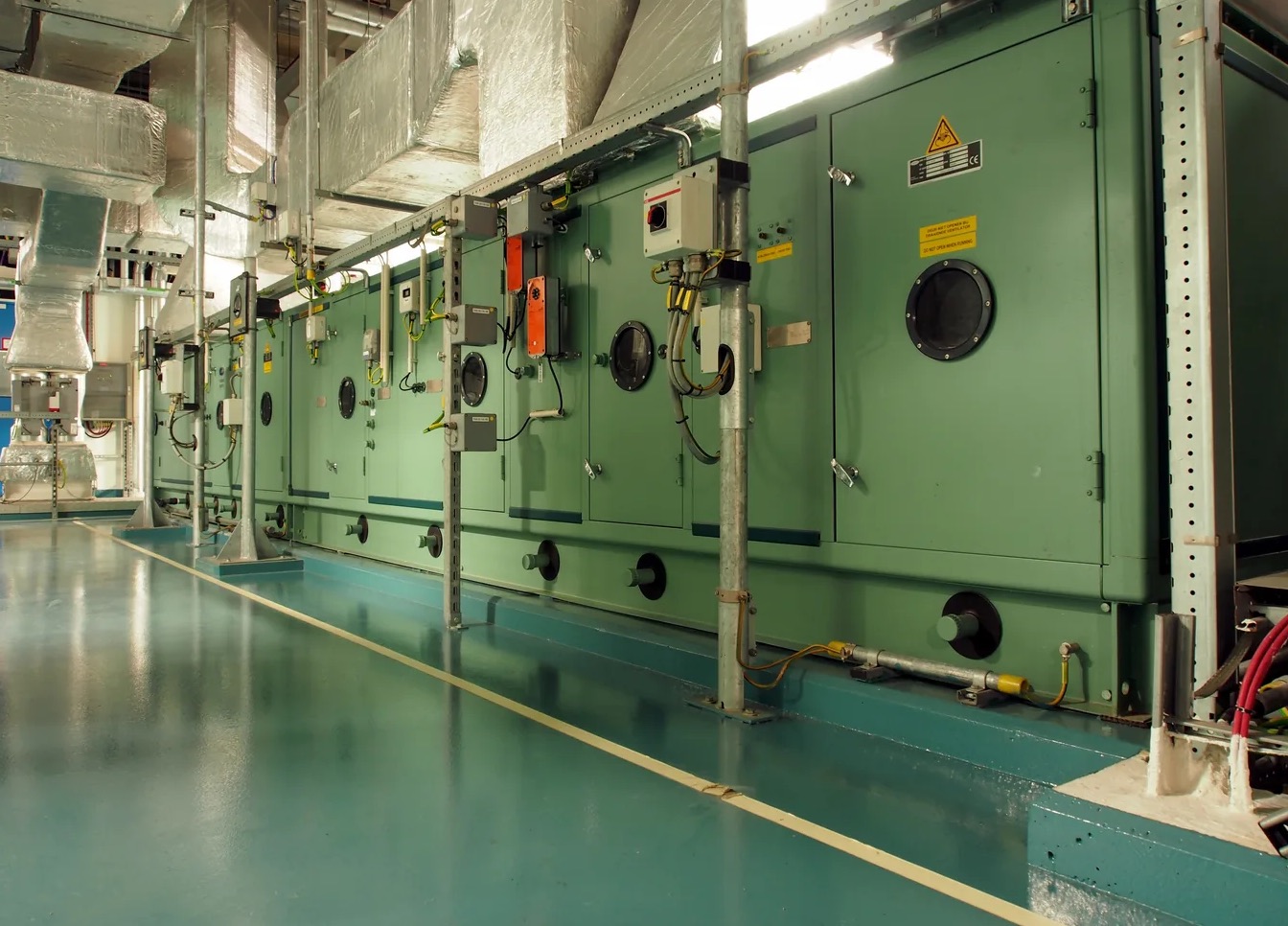
Local HVAC Leak Water Removal for Kent, Washington
Most air conditioner water damage in Kent starts with a clogged drain line or a cracked pan. The leak is often slow, so drywall, flooring and insulation soak for days before anyone sees a stain.
When an HVAC leak occurs in Kent, water needs to come out quickly to protect interior finishes and electrical systems. Local water removal pros serve this community and nearby areas like Des Moines, Lakeland North and SeaTac, extracting water around the unit and drying wet ductwork before damage spreads.
HVAC Leak Water Removal Service Details in Kent
Moisture Remediation for HVAC Systems
Once the leak stops, dehumidifiers and air movers are placed to dry the air handler closet, nearby ducts and the room, following industry drying standards.
AC Condensate Leak Water Removal
An overflowing secondary pan from a blocked drain line creates a steady leak. Water extraction experts remove the water to protect the HVAC cabinet and subfloor.
HVAC Drain Line Flood Cleanup
A backed-up HVAC drain line can flood a closet or utility area in Kent. The water is extracted and drying starts on the floor and lower walls.
Coil Leak Water Damage Repair
A coil that has leaked for weeks often leaves wet framing and flooring around the unit. The pros remove the water and dry those materials, while an HVAC contractor fixes the coil.
Ductwork Condensation Water Removal
Wet, sagging insulation around ducts signals a condensation problem. Cleanup involves water extraction and drying of duct surfaces and insulation.
Red Flags for HVAC Leak Water Removal in Kent
Wet or Sagging Insulation Nearby
Damp insulation around an attic unit or in nearby walls holds water against the drywall and framing.
Condensation Dripping From Ducts
Water droplets or streaks on metal ductwork mean the ducts are sweating, and the water is landing somewhere below.
AC Drain Line Overflowing
Water spilling from the condensate drain line or its overflow port means the drain is blocked and needs attention now.
Musty Odors Near Air Vents
A musty smell when the system runs can point to wet insulation or mold inside the unit or ducts.
How HVAC Leak Water Removal Works in Kent
Step 1: Emergency Assessment and Water Extraction
The pros stop the water at the unit and extract the standing water from the cabinet, the closet floor and any wet carpet.
Step 2: System Inspection and Moisture Mapping
Moisture meters and thermal cameras show where water went, including wet insulation and duct sections, and the drying plan is built from that.
Step 3: Targeted Drying and Dehumidification
Air movers and dehumidifiers are placed to dry the walls, ceiling, floor and duct runs that got wet.
Step 4: Cleaning and Final Verification
Affected surfaces and HVAC components are cleaned. Final moisture readings confirm the area is dry.
Typical Reasons for HVAC Leak Water Removal in Kent
Refrigerant Leak at the Coil
A pinhole leak in the evaporator coil itself can allow refrigerant and moisture to escape simultaneously.
Failed Condensate Pump
A condensate pump that fails in an attic or utility room cannot move water to the drain, so the reservoir overflows.
Obstructed Air Filter or Ducts
Badly restricted airflow lets frost build on the cold coil, and the water floods the pan when it melts.
High Static Pressure in Ducts
An oversized system or closed vents can upset airflow and drainage, so condensate does not drain as it should.
HVAC Leak Water Removal for Homes & Businesses in Kent
Residential HVAC Leak Water Removal
For homeowners, the pros address water from central AC units, attic air handlers, and basement furnaces. They extract the water to protect flooring, drywall and belongings, then dry wet ductwork.
Commercial HVAC Leak Water Removal
In businesses, water from rooftop units, mechanical rooms and long duct runs can reach offices, stock and electronics. The pros remove it and dry the space while working around business hours.
When DIY Fails for HVAC Leak Water Removal in Kent
You can document water damage for an insurance claim by taking clear photos of the affected area and leaking component. Keep records of communication. Do not discard damaged items until reviewed. Coverage decisions belong to the insurer.
HVAC Leak Water Removal Pricing Considerations in Kent
The pros in Kent price the job based on how long the leak ran and how much it damaged. Wet ducts inside walls or ceilings take extra work to reach.
Drying Time and Equipment
The number of days ducts and materials take to dry decides how long the dehumidifiers run.
Affected Components and Materials
Wet insulation, damaged ductwork or wiring near the flooded unit each add work to the job.
Water Contamination Category
Clean condensate is simpler to handle than dirty overflow from a drain line, which needs extra cleaning.
Does Insurance Cover HVAC Leak Water Removal?
Policies often cover damage from a sudden leak but not wear and tear or a drain that was never cleaned. Photos and drying records help your adjuster review the claim.
Why Local Experts for HVAC Leak Water Removal in Kent
Focused on System Integrity
The goal is a dry unit area and dry materials around it, so the system can run safely again.
Comprehensive Leak Source Identification
The pros trace the water to the drain line, coil or pan, so the right trade can fix the cause.
Containment and Air Filtration
The work area can be closed off so dust and moist air do not spread while wet materials are removed.
24-Hour Emergency HVAC Leak Water Removal in Kent
HVAC drain line floods need immediate attention to stop water damage. For HVAC leak cleanup and moisture remediation, contact the experts at (425) 406-3256.
Call Now (425) 406-3256HVAC Leak Water Removal Coverage for Kent, Des Moines, Lakeland North and SeaTac
Wet ductwork and HVAC leak water are dried in Kent and in nearby Des Moines, Lakeland North and SeaTac, for homes and businesses.
- HVAC Leak Water Removal in Des Moines
- HVAC Leak Water Removal in Lakeland North
- HVAC Leak Water Removal in SeaTac
- HVAC Leak Water Removal in Auburn
- HVAC Leak Water Removal in Fairwood
- HVAC Leak Water Removal in Federal Way
- HVAC Leak Water Removal in Tukwila
- HVAC Leak Water Removal in Covington
- Emergency Damage Restoration in 98030
- Storm Damage Restoration in 98030
- Water Damage Restoration in 98030
- Water Extraction Service in 98030
- Water Leak Detection in 98030
- Water Removal Service in 98030
- Emergency Damage Restoration in 98031
- Storm Damage Restoration in 98031
HVAC Leak Water Removal FAQ for Kent Homeowners
After HVAC system water cleanup, what repairs are needed?
Beyond drying, repairs might include unclogging or replacing a drain line, replacing wet insulation, and servicing the HVAC unit.
How is moisture removed from HVAC ductwork?
Air movers and dehumidifiers dry the area around the ducts. Duct sections or lining that stayed wet may need cleaning or replacing by an HVAC contractor.
Why does my AC coil leak water?
A frozen coil that thaws, a clogged drain pan, or a cracked condensate drain line are common causes of water leaking from the AC unit.
What is HVAC cabinet water extraction?
It means removing water that has pooled inside the metal cabinet around the furnace or air handler, which protects the blower motor and controls.
How long does wet ductwork drying typically take?
It depends on how much water there is and how easy it is to reach. Most jobs take two to four days of drying with commercial equipment.