Trusted by 160+ Homeowners
Residential Water Removal in Des Moines, WA
- Over 161 5-Star Reviews
- Free Estimates and Quotes
- 100% Satisfaction Guaranteed
- Child, Family & Pet Safe Steps
- 24-Hour Emergency Service
- Fully Licensed & Insured
Water Damage in Your Home: What to Do First
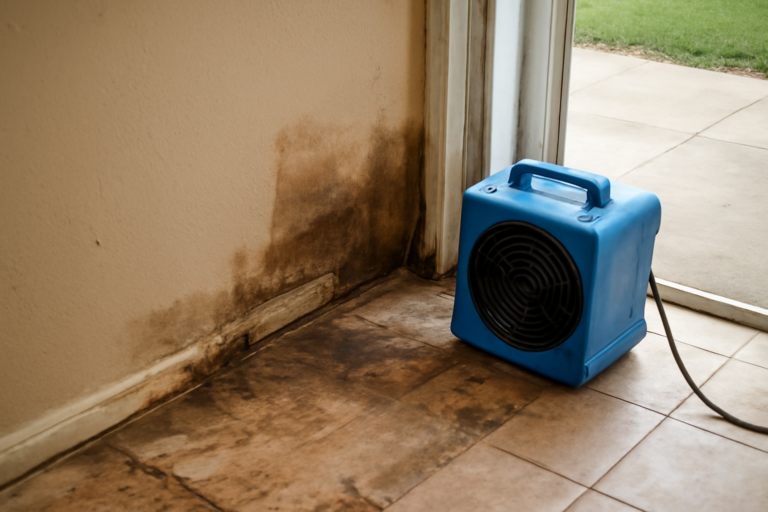
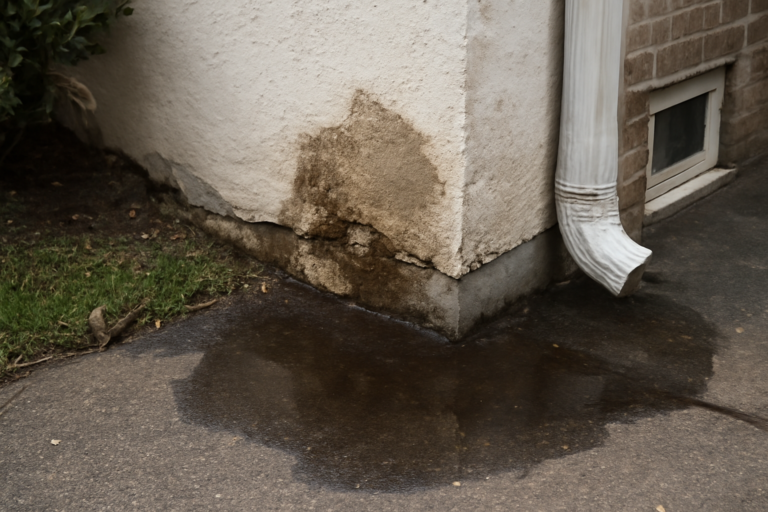
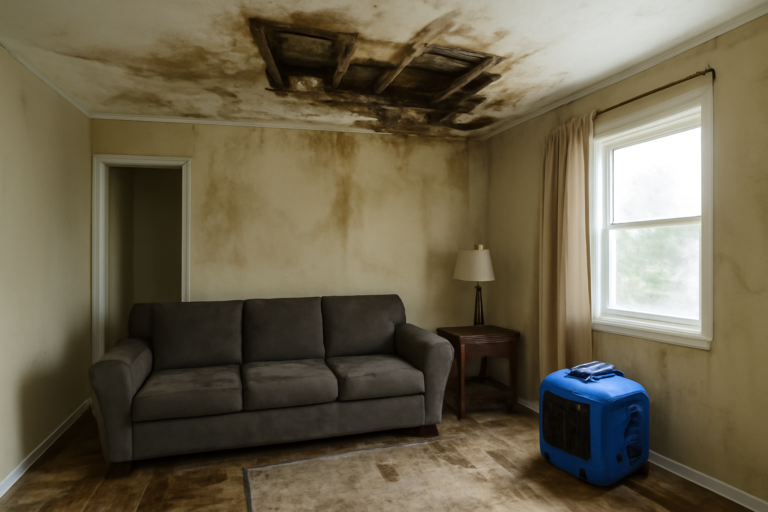
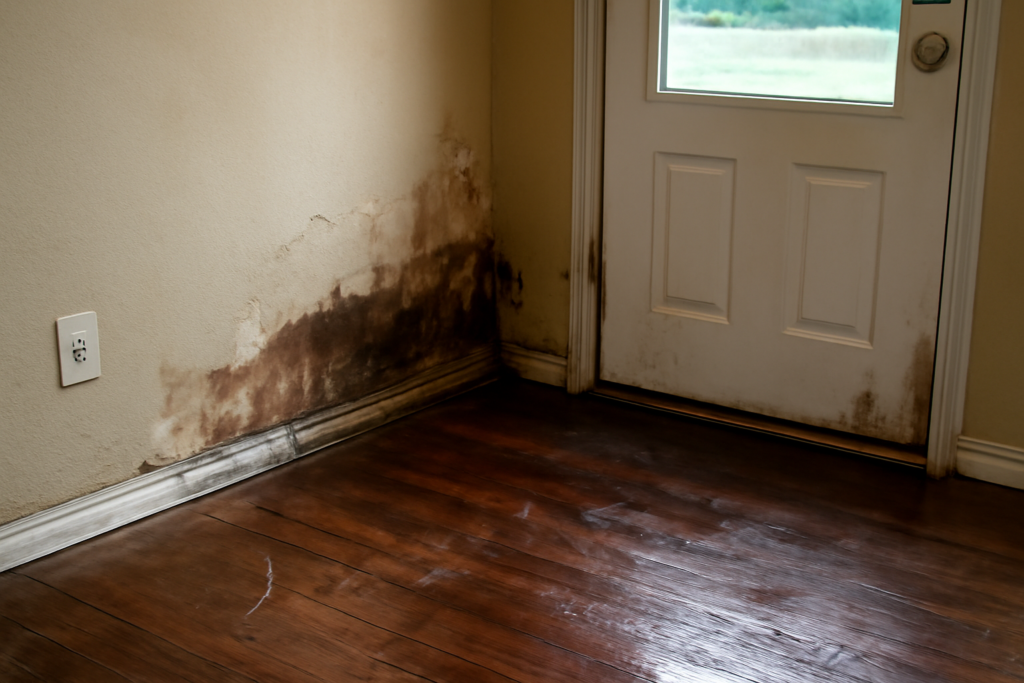
You’re walking into your home, and the first thing you notice is the smell of mold and mildew. You can see water stains on the ceiling and walls, and you hear the sound of dripping water somewhere in the distance. It’s a scene you never want to see, but it’s a reality for many homeowners. You’ve just discovered water damage in your home, and you need to act fast to prevent further damage and health risks.
With over 165 five-star reviews from satisfied customers, our team is the go-to choice for Residential Water Removal in Des Moines, WA. We understand the stress and anxiety that comes with water damage, and we’re here to help you every step of the way.
- We use advanced equipment to detect moisture levels and prevent further damage.
- We have a team of certified technicians who can handle even the toughest water damage jobs.
- We offer fast and efficient drying services to get your home back to normal in no time.
How We Remove Water from Your Home
With Residential Water Removal, our team uses a meticulous process to ensure that every drop of water is removed from your home. We start by assessing the damage and determining the best course of action. From there, we use specialized equipment to extract water from the affected areas, and then we use drying equipment to speed up the evaporation process.
Step 1: Assessment and Containment
We assess the damage and contain the affected area to prevent further damage and health risks. This step is crucial in preventing secondary damage and ensuring that the water removal process is done safely and efficiently.
Step 2: Water Extraction
We use specialized equipment to extract water from the affected areas. This step is critical in preventing further damage and ensuring that the water removal process is done efficiently.
Step 3: Drying and Dehumidification
We use drying equipment to speed up the evaporation process and prevent further damage. This step is crucial in preventing mold and mildew growth and ensuring that your home is dry and safe.
Step 4: Cleaning and Sanitizing
We clean and sanitize the affected areas to prevent health risks and ensure that your home is safe and healthy.
Step 5: Restoration and Repair
We restore and repair any damaged areas to ensure that your home is safe and functional.
Don’t wait any longer to get your home back to normal. Call us today to schedule an appointment and let our team take care of the water removal process for you.

Warning Signs You Need Residential Water Removal
Catching water damage early is crucial in preventing further damage and health risks. Here are some warning signs that you need Residential Water Removal:
Musty Odors That Won’t Go Away
Musty odors are a sign that mold and mildew are growing in your home. If you notice a musty smell that won’t go away, it’s time to call us for Residential Water Removal.
Water Stains on the Ceiling and Walls
Water stains on the ceiling and walls are a sign that water is seeping into your home. If you notice water stains, it’s time to call us for Residential Water Removal.
Warped or Buckled Flooring
Warped or buckled flooring is a sign that water has damaged your floors. If you notice warped or buckled flooring, it’s time to call us for Residential Water Removal.
Peeling Paint or Wallpaper
Peeling paint or wallpaper is a sign that water has damaged your walls. If you notice peeling paint or wallpaper, it’s time to call us for Residential Water Removal.
Discoloration on Walls and Ceilings
Discoloration on walls and ceilings is a sign that water has damaged your home. If you notice discoloration, it’s time to call us for Residential Water Removal.
Unusual Sounds or Noises
Unusual sounds or noises are a sign that water is seeping into your home. If you notice unusual sounds or noises, it’s time to call us for Residential Water Removal.
Residential Water Removal vs. DIY: When to Call a Professional
| Situation | DIY? | Call a Pro? | Why |
|---|---|---|---|
| Small water leak in a bathroom | Yes | No | DIY is fine for small water leaks, but make sure to fix the issue quickly to prevent further damage. |
| Water damage in a large area, such as a basement or attic | No | Yes | Large water damage jobs need specialized equipment and expertise to ensure that the water is removed safely and efficiently. |
| Water damage caused by a burst pipe or natural disaster | No | Yes | Water damage caused by a burst pipe or natural disaster needs immediate attention and specialized equipment to prevent further damage and health risks. |
| Water damage in a home with a crawl space or foundation issues | No | Yes | Water damage in a home with a crawl space or foundation issues needs specialized equipment and expertise to ensure that the water is removed safely and efficiently. |
| Water damage in a home with a history of water issues | No | Yes | Water damage in a home with a history of water issues needs specialized equipment and expertise to ensure that the water is removed safely and efficiently. |
| Water damage caused by a flood or natural disaster | No | Yes | Water damage caused by a flood or natural disaster needs immediate attention and specialized equipment to prevent further damage and health risks. |
While DIY water removal may seem like a cost-effective solution, it’s often not the best option. Water damage can be complex and needs specialized equipment and expertise to ensure that it’s removed safely and efficiently. If you’re unsure about how to handle water damage, it’s always best to call a professional.
Residential Water Removal Cost in Des Moines, WA
The cost of Residential Water Removal in Des Moines, WA can vary depending on the severity of the damage, the size of the affected area, and local conditions. Here are some estimated price ranges for Residential Water Removal services:
| Service | Typical Price Range | What Affects Cost |
|---|---|---|
| Water Extraction | $500 – $2,500 | The cost of water extraction depends on the amount of water that needs to be removed and the equipment needed to do so. |
| Drying and Dehumidification | $1,000 – $5,000 | The cost of drying and dehumidification depends on the size of the affected area and the equipment needed to do so. |
| Cleaning and Sanitizing | $500 – $2,000 | The cost of cleaning and sanitizing depends on the size of the affected area and the equipment needed to do so. |
| Restoration and Repair | $2,000 – $10,000 | The cost of restoration and repair depends on the extent of the damage and the materials needed to repair or replace damaged items. |
| Moisture Detection and Prevention | $500 – $2,000 | The cost of moisture detection and prevention depends on the size of the affected area and the equipment needed to do so. |
| Emergency Services | $1,000 – $5,000 | The cost of emergency services depends on the severity of the situation and the equipment needed to do so. |
Keep in mind that these are estimated price ranges and that the actual cost of Residential Water Removal services may vary depending on your specific situation. We offer free estimates and will work with you to find out the best course of action for your home and your budget.
Service Areas Near Des Moines, WA
We serve the following communities:
Des Moines, WA, Federal Way, WA, Kent, WA, Auburn, WA, Bellevue, WA, Kirkland, WA, Issaquah, WA, Sammamish, WA, Redmond, WA, Woodinville, WA, Clyde Hill, WA, Medina, WA, Mercer Island, WA, Newcastle, WA, Bellevue, WA, Tukwila, WA, SeaTac, WA, Burien, WA, Normandy Park, WA, Riverton, WA, Boulevard Park, WA, White Center, WA, Vashon, WA, Southworth, WA, Kingston, WA, Suquamish, WA, Poulsbo, WA, Keyport, WA, Hansville, WA, Indianola, WA, Bremerton, WA, Silverdale, WA, Port Orchard, WA.
Common Questions About Residential Water Removal
What causes water damage in homes?
Water damage in homes is often caused by leaks, floods, or other water-related incidents. It can also be caused by poor maintenance or neglect of plumbing systems.
How long does water removal take?
The length of time it takes to remove water from a home depends on the severity of the damage and the size of the affected area. In general, it can take anywhere from a few hours to several days to remove water from a home.
Is water removal covered by insurance?
Water removal may be covered by insurance, but it depends on the type of policy you have and the circumstances surrounding the damage. It’s best to check with your insurance provider to find out what is covered and what is not.
How can I prevent water damage in my home?
You can prevent water damage in your home by regularly checking for leaks, maintaining your plumbing systems, and ensuring that your home is properly ventilated. You can also consider installing a sump pump or other water removal equipment to help prevent water damage.
What happens if I don’t remove water from my home?
If you don’t remove water from your home, it can lead to further damage and health risks. Water can cause mold and mildew growth, which can lead to respiratory problems and other health issues. It can also cause structural damage to your home, which can be costly to repair.
Check Our Other Relevant Services

Joseph Park is a licensed Damage Restoration Expert with over 20 years of hands-on experience in disaster recovery and structural mitigation. As a respected industry authority, Joseph has spent two decades mastering the technical science of environmental safety, providing homeowners with the reliable expertise and steady leadership required to navigate high-stress property losses with absolute confidence.
𝗖𝗲𝗿𝘁𝗶𝗳𝗶𝗰𝗮𝘁𝗶𝗼𝗻𝘀: Joseph holds elite IICRC credentials, including Water Damage Restoration (WRT), Applied Structural Drying (ASD), Mold Remediation (AMRT), Fire and Smoke Restoration (FSRT), and Odor Control (OCT).
𝗙𝗮𝘃𝗼𝗿𝗶𝘁𝗲 𝗣𝗮𝘀𝘁𝗶𝗺𝗲: An enthusiast of precision and patience, Joseph enjoys restoring vintage timepieces and landscape gardening, hobbies that mirror the meticulous attention to detail he brings to every restoration project.
𝗕𝗲𝘀𝘁 𝗣𝗮𝗿𝘁 𝗼𝗳 𝘁𝗵𝗲 𝗷𝗼𝗯: He finds the most fulfillment in being the “calm during the storm,” helping families transition from the shock of property damage to the relief of a fully restored, healthy home.