Trusted by 160+ Homeowners
Septic Tank Backup Water Removal in Snohomish, WA
- Over 161 5-Star Reviews
- Free Estimates and Quotes
- 100% Satisfaction Guaranteed
- Child, Family & Pet Safe Steps
- 24-Hour Emergency Service
- Fully Licensed & Insured
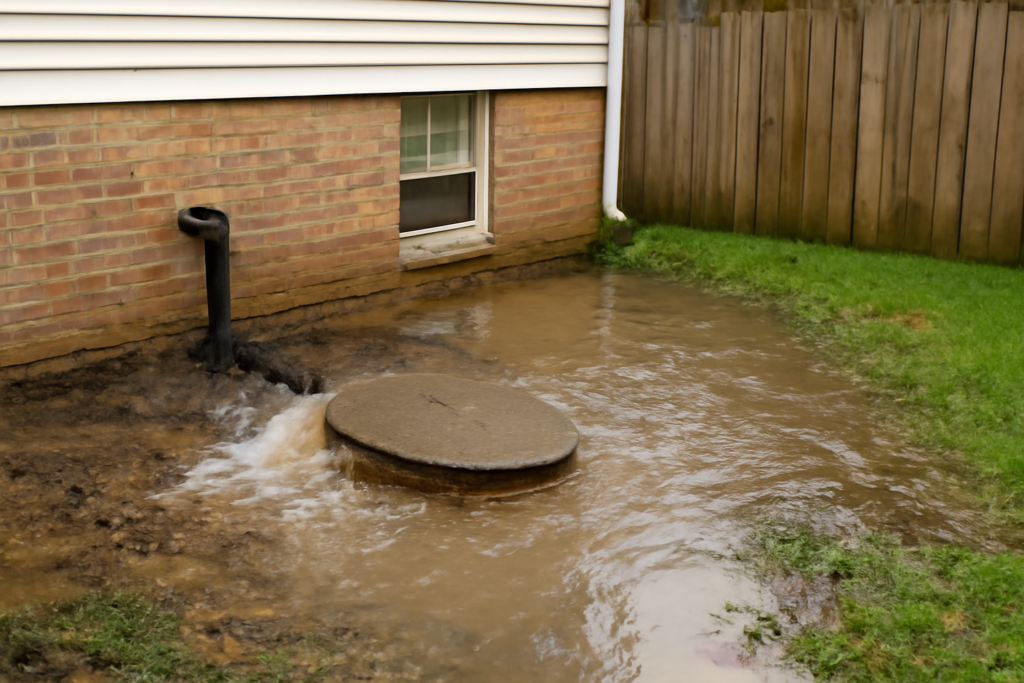
Septic Tank Backup Water Removal in Snohomish, WA: What You Need to Know
Did you know that septic tank backup water removal is one of the most common insurance claims in Snohomish, WA? In fact, according to industry data, septic tank backup claims account for over 20% of all water damage claims in the area. That’s why it’s essential to understand the process and what to expect when dealing with this type of damage. Our team has helped countless homeowners in the area navigate the complexities of septic tank backup water removal, and we’re here to guide you through it.
With over 165+ five-star reviews, our team is the go-to choice for homeowners in Snohomish, WA who need reliable and efficient septic tank backup water removal services. We understand the importance of getting your property back to normal as quickly as possible, which is why we work tirelessly to ensure that every job is completed on time and to the highest standards.
- Fast response times: We respond to all calls within 60 minutes, ensuring that your property is protected from further damage.
- Expert equipment: Our technicians use the latest equipment to extract water and dry out your property quickly and efficiently.
- Insurance expertise: We work closely with your insurance company to ensure that you receive the maximum claim possible.
How Septic Tank Backup Water Removal Works
When a septic tank backup occurs, it’s essential to act quickly to prevent further damage. Our team follows a strict process to ensure that every job is completed correctly and efficiently. We start by assessing the damage and identifying the source of the backup. From there, we use our specialized equipment to extract the water and dry out your property. Our technicians work closely with you to ensure that every step of the process is explained and that you’re comfortable with what’s happening.
Step 1: Assessment and Planning
Our technicians arrive at your property and assess the damage. We identify the source of the backup and create a plan to extract the water and dry out your property. This step is crucial in determining the best course of action and ensuring that every job is completed correctly.
Step 2: Water Extraction
We use our specialized equipment to extract the water from your property. This step is critical in preventing further damage and ensuring that your property is protected from mold and mildew.
Step 3: Drying and Dehumidification
Once the water has been extracted, we use our dehumidification equipment to dry out your property. This step is essential in preventing mold and mildew growth and ensuring that your property is safe to inhabit.
Step 4: Cleaning and Sanitizing
Our technicians use specialized cleaning solutions to sanitize your property and remove any remaining debris. This step is critical in ensuring that your property is safe to inhabit and that any remaining bacteria or contaminants are removed.
Step 5: Final Inspection and Repair
Our technicians conduct a final inspection to ensure that every job is completed correctly and that your property is safe to inhabit. We also identify any necessary repairs and provide you with a detailed plan to ensure that your property is restored to its original condition.
Don’t wait until it’s too late. Call our team today to schedule your septic tank backup water removal services. We’re here to help you navigate the complexities of this process and ensure that your property is restored to its original condition.
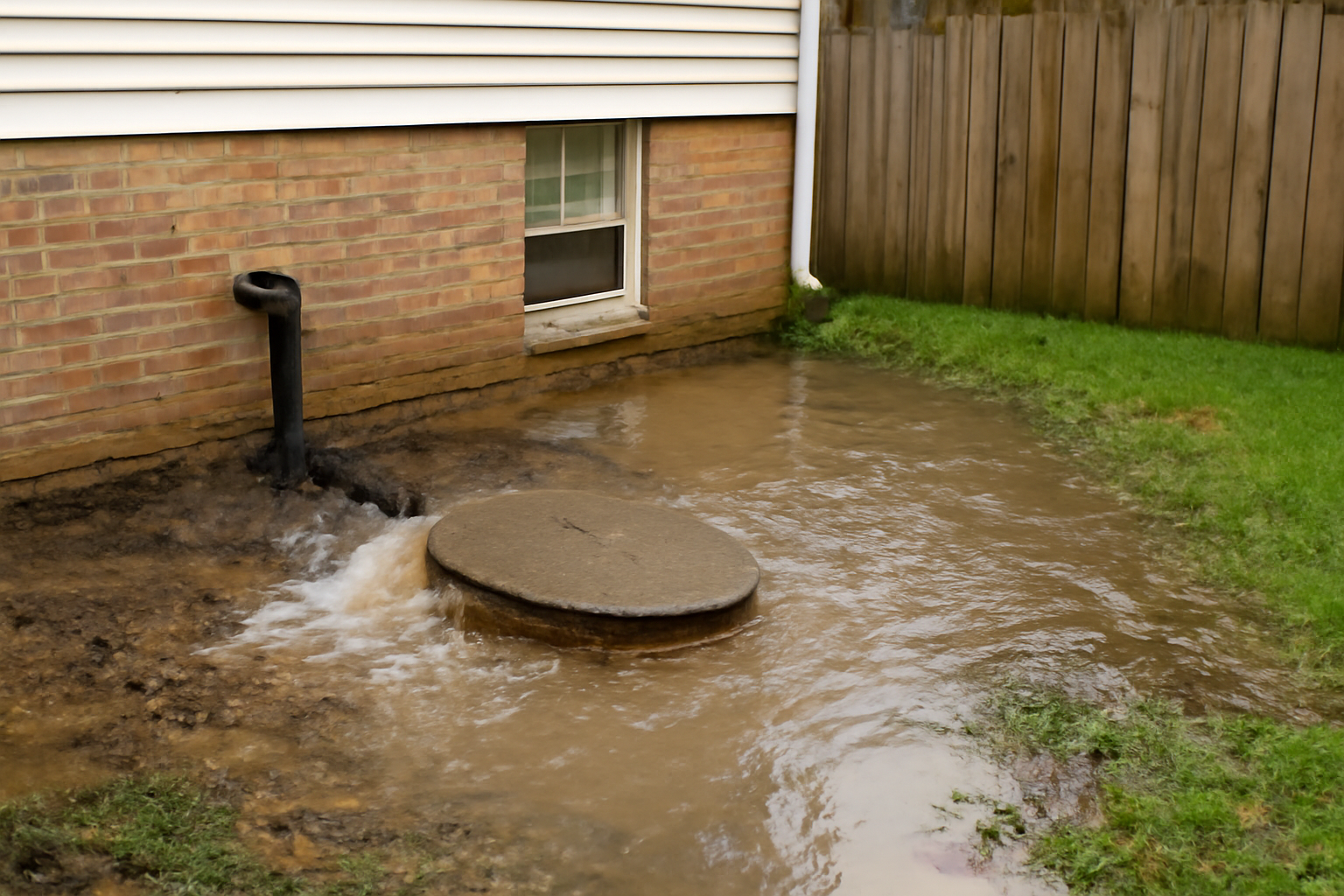
Warning Signs You Need Septic Tank Backup Water Removal
Catching septic tank backup warning signs early can save you thousands of dollars in repairs and prevent bigger problems down the line. Here are some common warning signs to look out for:
Musty Odors That Won’t Go Away
If you notice a musty odor in your home that won’t go away, it could be a sign of a septic tank backup. Don’t ignore it, call our team today to schedule an inspection.
Slow Drains and Clogged Pipes
If your drains are slow or clogged, it could be a sign of a septic tank backup. Don’t wait until it’s too late, call our team today to schedule an inspection.
Water Damage and Standing Water
If you notice water damage or standing water in your home, it could be a sign of a septic tank backup. Don’t wait until it’s too late, call our team today to schedule an inspection.
Grease and Debris in Your Drains
If you notice grease and debris in your drains, it could be a sign of a septic tank backup. Don’t ignore it, call our team today to schedule an inspection.
Unusual Noises and Sounds
If you notice unusual noises and sounds coming from your septic system, it could be a sign of a backup. Don’t wait until it’s too late, call our team today to schedule an inspection.
Sewage and Odors in Your Yard
If you notice sewage and odors in your yard, it could be a sign of a septic tank backup. Don’t ignore it, call our team today to schedule an inspection.
Septic Tank Backup Water Removal vs. DIY: When to Call a Professional
| Situation | DIY? | Call a Pro? | Why |
|---|---|---|---|
| Small water spill (less than 1 gallon) | Yes | No | DIY is fine for small spills, but for larger spills, it’s best to call a professional to prevent further damage. |
| Standing water in your home (up to 2 inches) | No | Yes | Standing water can cause mold and mildew growth, so it’s essential to call a professional to extract the water and dry out your property. |
| Septic tank backup with sewage and odors | No | Yes | Septic tank backups with sewage and odors need professional attention to prevent further damage and ensure your property is safe to inhabit. |
| Water damage with significant structural damage | No | Yes | Water damage with significant structural damage needs professional attention to ensure that your property is safe to inhabit and that any necessary repairs are completed correctly. |
| Small areas of water damage (less than 100 square feet) | Yes | No | DIY is fine for small areas of water damage, but for larger areas, it’s best to call a professional to prevent further damage and ensure that every job is completed correctly. |
Don’t take any chances with your property. If you’re unsure whether to DIY or call a professional, it’s always best to err on the side of caution and call our team today to schedule an inspection.
Septic Tank Backup Water Removal Cost in Snohomish, WA
The cost of septic tank backup water removal services in Snohomish, WA can vary depending on the severity of the damage, the size of the affected area, and local conditions. Here are some estimated price ranges for different aspects of septic tank backup water removal:
| Service | Typical Price Range | What Affects Cost |
|---|---|---|
| Water extraction | $500 – $2,500 | Severity of damage, size of affected area, and local conditions. |
| Drying and dehumidification | $1,000 – $5,000 | Size of affected area, severity of damage, and local conditions. |
| Cleaning and sanitizing | $500 – $2,000 | Size of affected area, severity of damage, and local conditions. |
| Final inspection and repair | $1,000 – $5,000 | Severity of damage, size of affected area, and local conditions. |
Exact pricing depends on an on-site assessment, and free estimates are available. Don’t wait until it’s too late, call our team today to schedule an inspection and get a free estimate.
Service Areas Near Snohomish, WA
We serve the following nearby communities: Monroe, Lake Stevens, Arlington, Marysville, Everett, Mukilteo, Edmonds, Lynnwood, Bellevue, Redmond, Kirkland, Woodinville, Issaquah, Sammamish, Bellevue, Renton, Kent, Auburn, Federal Way, Tacoma.
Common Questions About Septic Tank Backup Water Removal
Q: What causes septic tank backups?
A: Septic tank backups are usually caused by a combination of factors, including heavy rainfall, clogged pipes, and improper septic system maintenance. Our team can help you identify the root cause of the problem and provide a solution.
Q: Can I DIY septic tank backup water removal?
A: While small spills and water damage can be DIY-friendly, larger spills and standing water need professional attention to prevent further damage and ensure your property is safe to inhabit.
Q: How long does septic tank backup water removal take?
A: The length of time it takes to complete septic tank backup water removal services depends on the severity of the damage, the size of the affected area, and local conditions. Our team works tirelessly to ensure that every job is completed on time and to the highest standards.
Q: Do I need to replace my septic system after a backup?
A: Not always. While a septic system backup may need repairs or replacement, our team can help you find out the best course of action and provide a solution that fits your needs and budget.
Q: Are your technicians IICRC-certified?
A: Yes, our technicians are IICRC-certified and have the necessary training and expertise to handle septic tank backup water removal services.
Check Our Other Relevant Services
- Laminate Floor Water Damage Restoration in Snohomish, WA
- Fire Sprinkler Discharge Water Removal in Snohomish, WA

Joseph Park is a licensed Damage Restoration Expert with over 20 years of hands-on experience in disaster recovery and structural mitigation. As a respected industry authority, Joseph has spent two decades mastering the technical science of environmental safety, providing homeowners with the reliable expertise and steady leadership required to navigate high-stress property losses with absolute confidence.
𝗖𝗲𝗿𝘁𝗶𝗳𝗶𝗰𝗮𝘁𝗶𝗼𝗻𝘀: Joseph holds elite IICRC credentials, including Water Damage Restoration (WRT), Applied Structural Drying (ASD), Mold Remediation (AMRT), Fire and Smoke Restoration (FSRT), and Odor Control (OCT).
𝗙𝗮𝘃𝗼𝗿𝗶𝘁𝗲 𝗣𝗮𝘀𝘁𝗶𝗺𝗲: An enthusiast of precision and patience, Joseph enjoys restoring vintage timepieces and landscape gardening, hobbies that mirror the meticulous attention to detail he brings to every restoration project.
𝗕𝗲𝘀𝘁 𝗣𝗮𝗿𝘁 𝗼𝗳 𝘁𝗵𝗲 𝗷𝗼𝗯: He finds the most fulfillment in being the “calm during the storm,” helping families transition from the shock of property damage to the relief of a fully restored, healthy home.