Trusted by 160+ Homeowners
Standing Water Removal in Clyde Hill, WA
- Over 161 5-Star Reviews
- Free Estimates and Quotes
- 100% Satisfaction Guaranteed
- Child, Family & Pet Safe Steps
- 24-Hour Emergency Service
- Fully Licensed & Insured
Standing Water Removal in Clyde Hill, WA: What You Need to Know
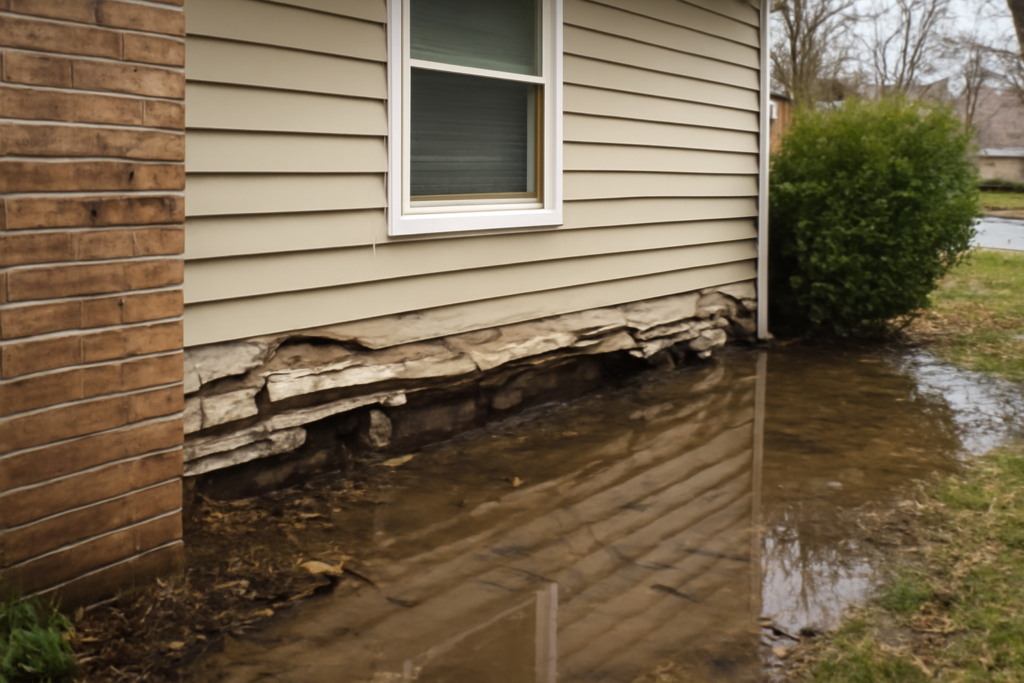
Did you know that standing water can cause over $10,000 in damages to your home within just 60 minutes? It’s a staggering statistic that highlights the importance of prompt action when dealing with water damage. Our team in Clyde Hill, WA has seen firsthand the devastating effects of standing water, and we’re here to help you prevent it from happening to you.
We’ve earned the trust of over 165 homeowners in the area, who choose us for our expertise and commitment to excellence. Our team has the skills and equipment to tackle even the toughest water damage jobs, and we’re dedicated to helping you get back to normal as quickly as possible.
- We use advanced equipment to extract water from your property, reducing the risk of further damage and promoting a speedy drying process.
- Our team works closely with your insurance company to ensure a smooth claims process and reduce out-of-pocket expenses.
- We provide personalized attention to detail, ensuring that every aspect of your water damage restoration is handled with care and precision.
How Our Standing Water Removal Service Works
Our team follows a meticulous process to ensure that every aspect of your water damage restoration is handled with care and precision. We start by conducting a thorough assessment of the affected area, identifying the source of the water damage and developing a customized plan to address it. From there, we use advanced equipment to extract water from your property, reducing the risk of further damage and promoting a speedy drying process.
Step 1: Assessment and Planning
Our team arrives on-site to assess the damage and develop a customized plan to address it. This includes identifying the source of the water damage and determining the best course of action to restore your property to its original condition.
Step 2: Water Extraction
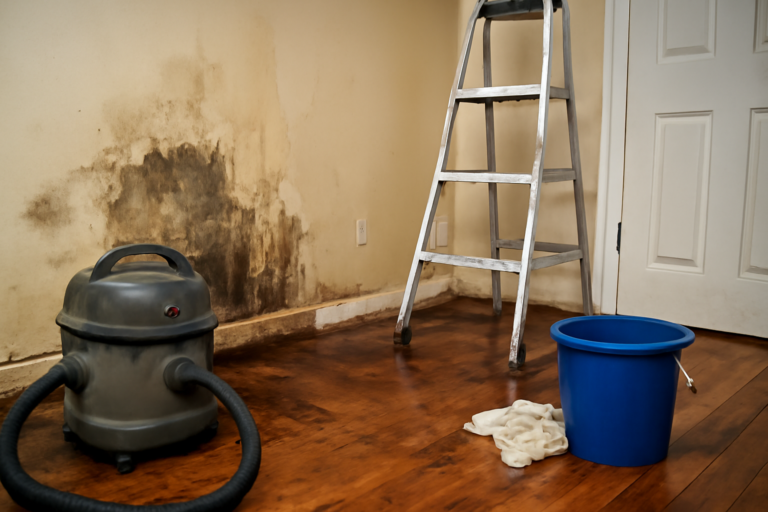
We use advanced equipment to extract water from your property, reducing the risk of further damage and promoting a speedy drying process. This includes the use of powerful pumps and wet vacuums to remove water from carpets, hardwood floors, and other surfaces.
Step 3: Drying and Dehumidification
Once the water has been extracted, our team uses specialized equipment to dry and dehumidify the affected area. This includes the use of industrial-grade dehumidifiers and fans to remove moisture from the air and promote a safe and healthy environment.
Step 4: Sanitizing and Disinfecting
Our team uses advanced sanitizing and disinfecting techniques to remove any remaining bacteria, viruses, or other contaminants from the affected area. This includes the use of EPA-registered disinfectants and sanitizers to ensure a safe and healthy environment.
Step 5: Restoration and Reconstruction
Once the affected area has been dried, sanitized, and disinfected, our team begins the process of restoration and reconstruction. This includes the repair or replacement of damaged walls, floors, and ceilings, as well as the installation of new fixtures and appliances.
Don’t wait until it’s too late, call our team today to schedule a free on-site assessment and take the first step towards restoring your property to its original condition.
Warning Signs You Need Standing Water Removal
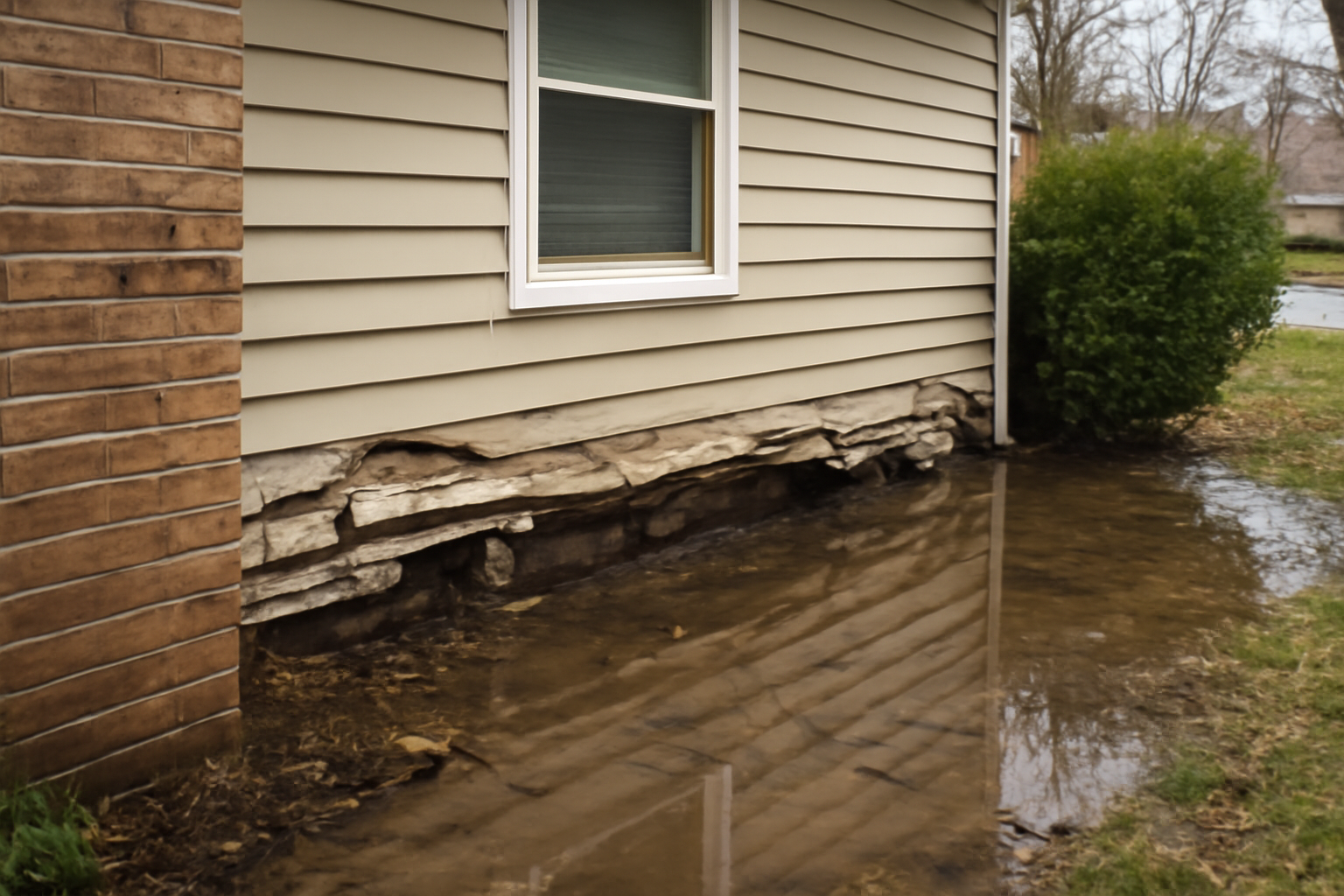
Water damage can be a costly and time-consuming problem to deal with, but it’s often preventable if you know what to look for. Here are some common warning signs that show you need standing water removal:
Musty Odors That Won’t Go Away
Strong, musty odors can be a sign of standing water or moisture in your home. If you notice a persistent smell that won’t go away, it’s likely a sign that you have a water damage problem.
Warped or Buckled Flooring
Warped or buckled flooring can be a sign of water damage, particularly if it’s accompanied by a musty smell or visible signs of moisture.
Water Stains or Discoloration
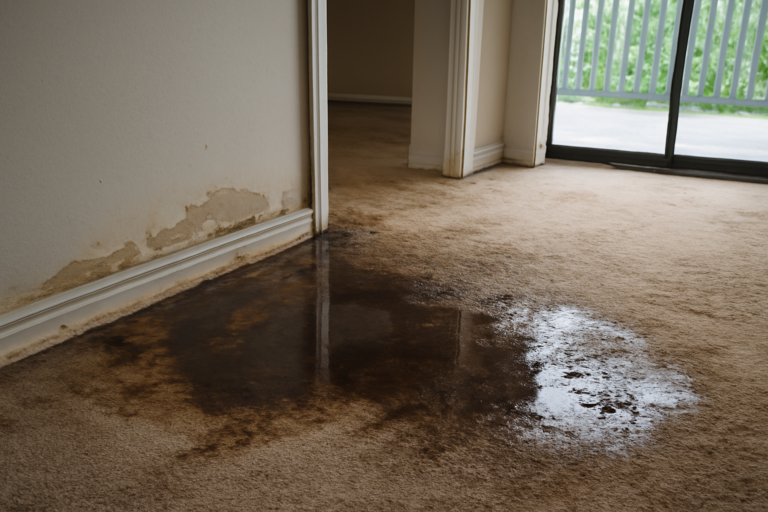
Water stains or discoloration on walls, ceilings, or floors can be a sign of water damage. If you notice any of these signs, it’s essential to take action quickly to prevent further damage.
Peeling Paint or Wallpaper
Peeling paint or wallpaper can be a sign of water damage, particularly if it’s accompanied by a musty smell or visible signs of moisture.
Visible Signs of Water Damage
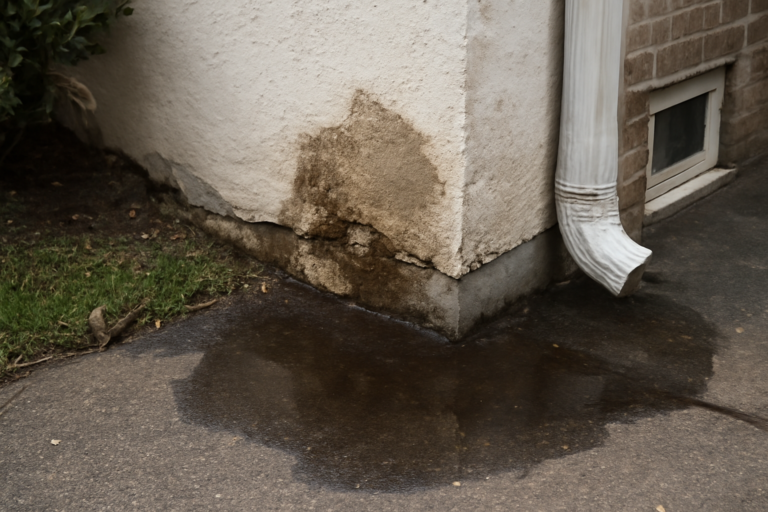
Visible signs of water damage, such as water spots, mineral deposits, or rust, can be a sign that you need standing water removal.
Unexplained Mold or Mildew Growth
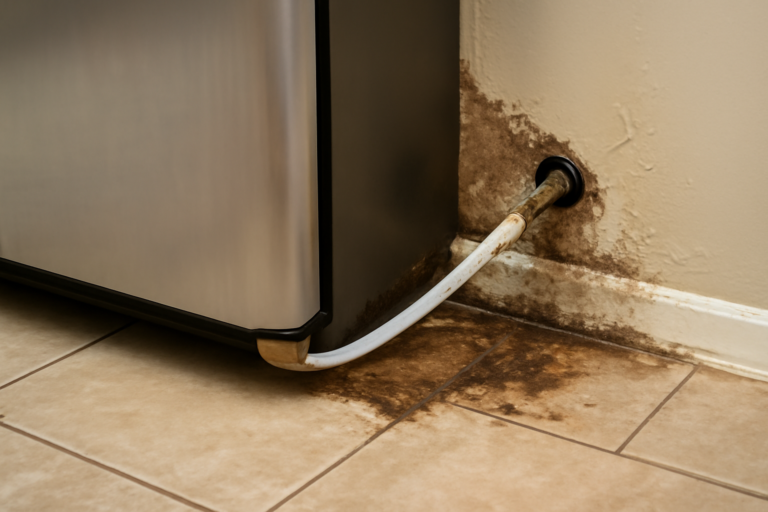
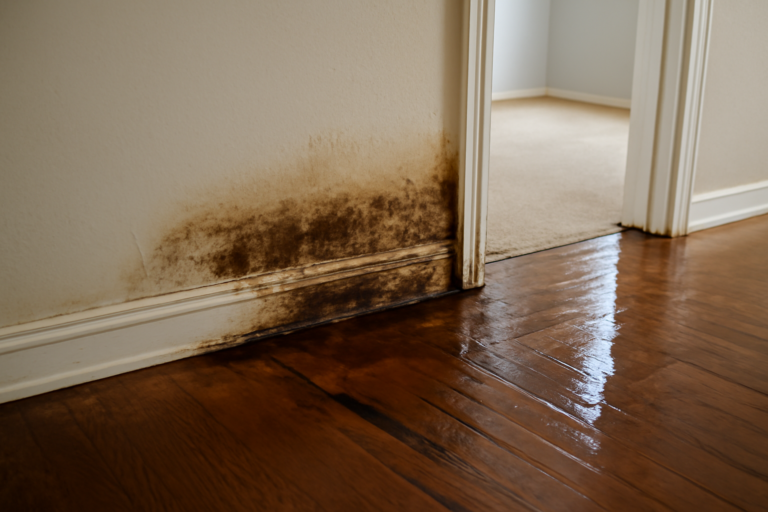
Unexplained mold or mildew growth can be a sign of standing water or moisture in your home. If you notice any of these signs, it’s essential to take action quickly to prevent further damage.
Standing Water Removal vs. DIY: When to Call a Professional
| Situation | DIY? | Call a Pro? | Why |
|---|---|---|---|
| Water damage from a small leak or overflow | Yes | No | You can likely handle small water damage jobs on your own, but it’s essential to act quickly to prevent further damage. |
| Water damage from a major flood or storm | No | Yes | Major water damage jobs need specialized equipment and expertise to handle safely and effectively. |
| Water damage that’s affecting electrical systems or appliances | No | Yes | Water damage that’s affecting electrical systems or appliances can be a serious safety hazard, and needs professional attention to handle safely. |
| Water damage that’s causing structural damage to your home | No | Yes | Water damage that’s causing structural damage to your home needs professional attention to handle safely and prevent further damage. |
| Water damage that’s affecting your health or well-being | No | Yes | Water damage that’s affecting your health or well-being needs professional attention to handle safely and prevent further damage. |
| Water damage that’s causing mold or mildew growth | No | Yes | Water damage that’s causing mold or mildew growth needs professional attention to handle safely and prevent further damage. |
Don’t take chances with your home or your health, call our team today to schedule a free on-site assessment and take the first step towards restoring your property to its original condition.
Standing Water Removal Cost in Clyde Hill, WA
The cost of standing water removal can vary depending on the severity of the damage, the size of the affected area, and local conditions in Clyde Hill, WA. Here are some estimated price ranges for common standing water removal services:
| Service | Typical Price Range | What Affects Cost |
|---|---|---|
| Water Extraction | $500 – $2,500 | The severity of the water damage, the size of the affected area, and the type of equipment needed. |
| Drying and Dehumidification | $1,000 – $5,000 | The size of the affected area, the type of equipment needed, and the length of time required to dry and dehumidify the area. |
| Sanitizing and Disinfecting | $500 – $2,000 | The size of the affected area, the type of equipment needed, and the level of contamination present. |
| Restoration and Reconstruction | $2,000 – $10,000 | The severity of the water damage, the size of the affected area, and the type of materials needed for repair or replacement. |
| Emergency Services (after hours or weekends) | $1,000 – $3,000 | The severity of the water damage, the size of the affected area, and the type of equipment needed. |
| More Services (mold remediation, etc.) | $500 – $2,000 | The size of the affected area, the type of equipment needed, and the level of contamination present. |
Exact pricing will depend on an on-site assessment, and we offer free estimates for all our services. Don’t wait until it’s too late, call our team today to schedule a free on-site assessment and take the first step towards restoring your property to its original condition.
Service Areas Near Clyde Hill, WA
We serve the following nearby communities:
Kirkland, Bellevue, Redmond, Woodinville, Sammamish, Issaquah, Fall City, Carnation, Duvall, and more.
Common Questions About Standing Water Removal
Q: How long does it take to remove standing water from my home?
A: The length of time required to remove standing water from your home depends on the severity of the damage, the size of the affected area, and the type of equipment needed. Our team works quickly and efficiently to get the job done, but it’s essential to act quickly to prevent further damage.
Q: Will I need to replace my floors or walls?
A: In some cases, yes, if the water damage has caused significant damage to your floors or walls, it may be necessary to replace them. Our team will assess the damage and provide a recommendation for the best course of action.
Q: Can I do standing water removal myself?
A: While it’s possible to do some standing water removal yourself, it’s often not the best option. Water damage can be a complex problem to handle, and it’s essential to act quickly to prevent further damage. Our team has the expertise and equipment to handle standing water removal safely and effectively.
Q: Will I need to pay out-of-pocket for standing water removal?
A: In most cases, no, our team works closely with your insurance company to ensure a smooth claims process and reduce out-of-pocket expenses. We’ll help you navigate the process and get the help you need.
Check Our Other Relevant Services

Joseph Park is a licensed Damage Restoration Expert with over 20 years of hands-on experience in disaster recovery and structural mitigation. As a respected industry authority, Joseph has spent two decades mastering the technical science of environmental safety, providing homeowners with the reliable expertise and steady leadership required to navigate high-stress property losses with absolute confidence.
𝗖𝗲𝗿𝘁𝗶𝗳𝗶𝗰𝗮𝘁𝗶𝗼𝗻𝘀: Joseph holds elite IICRC credentials, including Water Damage Restoration (WRT), Applied Structural Drying (ASD), Mold Remediation (AMRT), Fire and Smoke Restoration (FSRT), and Odor Control (OCT).
𝗙𝗮𝘃𝗼𝗿𝗶𝘁𝗲 𝗣𝗮𝘀𝘁𝗶𝗺𝗲: An enthusiast of precision and patience, Joseph enjoys restoring vintage timepieces and landscape gardening, hobbies that mirror the meticulous attention to detail he brings to every restoration project.
𝗕𝗲𝘀𝘁 𝗣𝗮𝗿𝘁 𝗼𝗳 𝘁𝗵𝗲 𝗷𝗼𝗯: He finds the most fulfillment in being the “calm during the storm,” helping families transition from the shock of property damage to the relief of a fully restored, healthy home.