Kirkland, WA · King County
Whole-Building Fire & Smoke Odor Removal in Kirkland, WAHVAC Duct Smoke Cleaning & Thermal Fogging Deodorization
Whole-Building Fire & Smoke Odor Removal in Kirkland pairs whole-house air scrubbing, HVAC duct smoke cleaning, and fire damaged material removal.
Answered 24/7
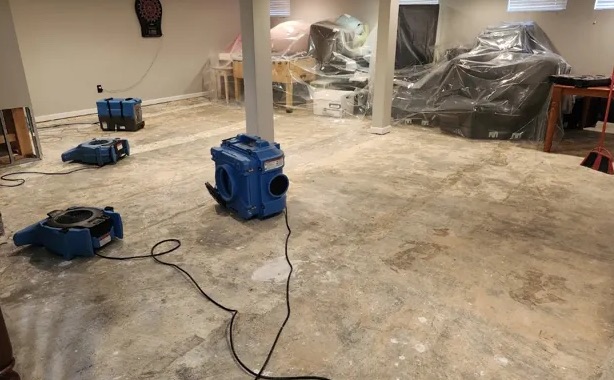
Fire and Smoke Odor Elimination Services in Kirkland
In properties throughout Kirkland, drywall, insulation, and upholstery absorb smoke deeply, so wiping surfaces rarely removes the smell. Treatment has to reach the air and the materials.
For homes in Kirkland and nearby Clyde Hill, Redmond and Medina, treating the air alone is not enough because odor binds to surfaces. Local pros clean, deodorize, and then seal porous materials.
Comprehensive Whole-Building Fire & Smoke Odor Removal Services
HVAC Duct Smoke Cleaning
Local whole-building deodorization specialists clean the blower, coil, and ducts, since a dirty system holds odor and spreads it each time it runs.
Thermal Fogging Deodorization
A heated deodorant is released as a fine fog that reaches into wall cavities and ceilings, where it breaks down odor molecules.
Ozone Treatment for Smoke Odor
Local whole-building deodorization specialists in Kirkland treat empty, closed spaces with ozone, which reaches every corner and breaks down acrid smoke odor.
Whole-House Air Scrubbing
For properties in Kirkland, scrubbers can run under negative pressure, drawing smoky air through several filter stages and out of the building.
Surface Sealing for Residual Odor
Exposed studs and subfloors get a sealant that holds in remaining odor molecules before walls and floors are rebuilt.
Signs a Kirkland Property Needs Fire Smoke Odor Elimination
Soot in Electrical Outlets
Fine soot inside outlets and behind switch plates shows smoke reached into wall cavities, not just room surfaces.
Smell Emanates From HVAC Vents
A smoky smell coming from vents means the HVAC system is carrying odor from the ducts into every room.
Metallic or Chemical Odor Present
A sharp chemical or metallic smell usually comes from burned plastics or synthetics and needs stronger deodorizing than cleaning alone.
Smoke Odor in Closed Cabinets
Items inside closed cabinets that smell of smoke show the odor has passed through gaps and seals throughout the house.
How Whole-Building Fire & Smoke Odor Removal Works in Kirkland
Step 1: Comprehensive Soot Removal
Dry and wet cleaning remove visible soot, which carries much of the lingering smoke odor.
Step 2: Deep HVAC System Decontamination
The HVAC system is cleaned and deodorized, since dirty ducts are a common source of returning smells.
Step 3: Advanced Oxidizing Treatments
Ozone or hydroxyl treatment breaks down odor molecules left in the air and in porous materials.
Step 4: Final Deodorization and Cleaning
A final round of cleaning and deodorizing follows, and pros check each room for odor before finishing.
Factors That Complicate Odor Removal in Kirkland
Contaminated HVAC Ductwork
An HVAC system running during a fire pulls smoky air into the ducts and coats their insides with soot.
Inadequate Ventilation During Fire
With windows and doors closed during a fire, smoke stays concentrated indoors and soaks deeper into materials.
Burning of Synthetic Materials
Burning furniture and plastics produce thick, oily smoke that leaves a sticky, strong-smelling residue on every surface.
Thermal Movement of Odor Particles
Heat from a fire pushes smoke and odor into small cracks and gaps throughout the structure.
Comprehensive Odor Solutions for Any Building
Residential Whole-Building Fire & Smoke Odor Removal
In homes, smoke odor in the HVAC system reaches every room. Pros clean the ducts, use electrostatic soot removal, and treat with ozone while the family is out.
Commercial Whole-Building Fire & Smoke Odor Removal
Commercial buildings have large air volumes to treat. Pros use industrial equipment for air scrubbing, removal of burned material, and sealing across whole floors.
Professional Whole-Building Fire & Smoke Odor Removal vs. DIY Sprays
Wash dishes, glassware, and metal fixtures that have a smoky film. Do not run ozone machines yourself in occupied spaces; whole-house odor needs professional air scrubbing and treatment.
The Value of Complete Odor Elimination
Labor for removing burned materials and the amount of soot to lift from walls and fabrics both affect the final price.
Content Cleaning Scope
The number and type of belongings to clean, and whether they go off-site, affect time and cost.
HVAC System Contamination
Cleaning ducts and HVAC parts adds equipment time and access work to the job.
Severity of Smoke Penetration
Heavy smoke residue needs more cleaning passes and repeat treatments than light surface soot does.
Does Insurance Cover Whole-Building Fire & Smoke Odor Removal?
Property owners in Kirkland should ask their insurer whether odor treatment, including ozone, is covered under their homeowner or commercial policy.
Why Choose Local Specialists for Whole-Building Fire & Smoke Odor Removal
24/7 Emergency Response
Smoke odor sets into materials over time, so starting quickly limits how deep it soaks in.
Residual Odor Prevention
Sealing porous surfaces locks in trace odor that cleaning misses, so it does not return after repairs.
HVAC System Decontamination
Ducts are cleaned so the HVAC system does not keep pushing smoke odor through the building after cleanup.
24/7 Fire Odor Removal Assistance
Odors set quickly after a fire, so an early start matters. Call (425) 406-3256 day or night for an assessment and first steps to contain the smell.
Call Now (425) 406-3256Nearby Areas for Whole-Building Fire & Smoke Odor Removal in Kirkland
Smoke damage cleanup and deodorizing help residents in Kirkland and neighboring areas, including Clyde Hill, Redmond and Medina, after a fire.
Your Whole-Building Fire & Smoke Odor Removal Questions Addressed
When is surface sealing for residual odor used?
Sealers go on porous surfaces like concrete or framing as a final step, holding in any remaining odor molecules before rebuilding.
Can fire smells come back after treatment?
They can if treatment is incomplete. Cleaning the ducts and sealing porous surfaces keeps odor from coming back after the work.
How does thermal fogging deodorization work?
A heated deodorant is turned into a fine fog that travels into porous materials and breaks down odor molecules where cleaning cannot reach.
What materials typically require fire damaged material removal?
Charred wood, melted plastics, contaminated insulation, and anything that cannot be cleaned or is unsafe are removed and disposed of.
Why is HVAC duct smoke cleaning necessary?
Soot in the ducts spreads odor every time the system runs. Cleaning the ducts stops that cycle so treated rooms stay fresh.