Trusted by 160+ Homeowners
AC Unit Water Removal in Lynden, WA
- Over 161 5-Star Reviews
- Free Estimates and Quotes
- 100% Satisfaction Guaranteed
- Child, Family & Pet Safe Steps
- 24-Hour Emergency Service
- Fully Licensed & Insured

Staying Cool After a Flood: AC Unit Water Removal in Lynden, WA
Imagine stepping into your home on a sweltering summer day, only to be greeted by the musty smell of mildew and the sight of water-soaked AC unit coils. Your air conditioning system, once humming along to keep you cool, now lies still and silent, its insides a breeding ground for bacteria and mold. You know you need to act fast to prevent further damage and restore your home to its former comfort. That’s where our team comes in, experts in AC unit water removal, dedicated to drying out your space and getting your AC unit back in working order.
With over 165 five-star reviews from satisfied customers in Lynden, WA, and surrounding areas, you can trust our team to handle your AC unit water removal needs with care and precision. We’re not just any restoration company, we’re locally owned and operated, with a deep understanding of the unique challenges posed by the Pacific Northwest’s wet climate.
- Fast response times: our team will arrive at your doorstep within 60 minutes of your call, ready to tackle the job.
- Advanced equipment: we use state-of-the-art moisture meters and drying equipment to ensure your home is thoroughly dry and safe.
- Total customer satisfaction: we back our work with a 100% satisfaction guarantee, so you can rest easy knowing you’ve made the right choice.
The Science Behind Our AC Unit Water Removal Process
When your AC unit is flooded, it’s not just about drying out the surface, it’s about addressing the underlying moisture and preventing further damage. Our team uses a meticulous process to ensure every last drop of water is extracted from your AC unit and surrounding areas. We start by containing the damage with specialized tarps and drying equipment, then use advanced moisture meters to pinpoint the source of the leak. From there, we employ a carefully calibrated drying protocol to evaporate the water and restore your AC unit to its former glory.
Step 1: Containment and Assessment
Our team arrives on site and quickly sets up containment barriers to prevent further water damage. We then use advanced moisture meters to assess the extent of the leak and identify the source.
Step 2: Water Extraction
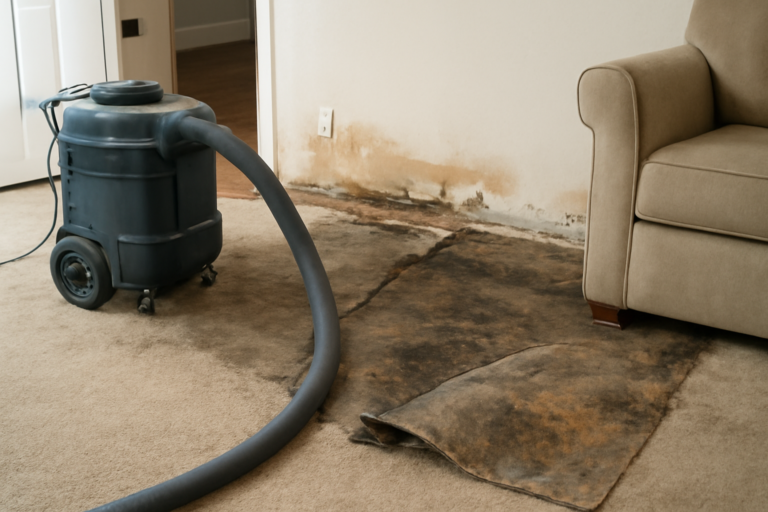
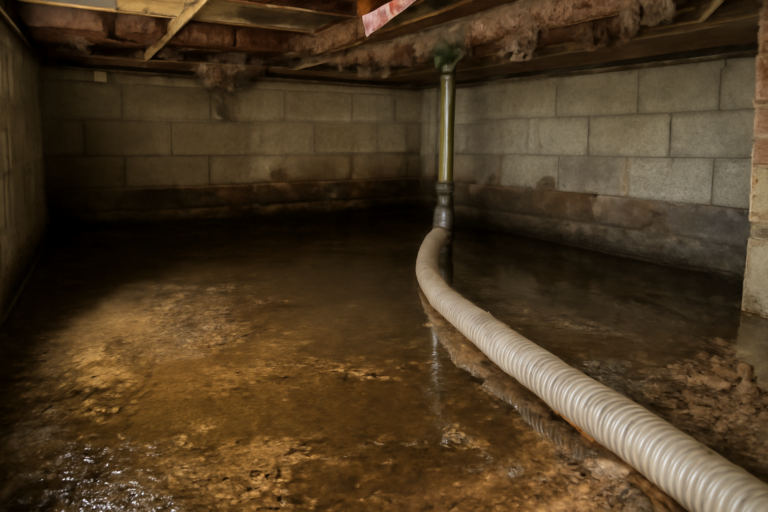
Using powerful pumps and hoses, we extract as much water as possible from your AC unit and surrounding areas. This step is critical in preventing further damage and reducing the risk of mold growth.
Step 3: Drying and Dehumidification
We employ a carefully calibrated drying protocol, using specialized equipment to evaporate the water and reduce humidity levels. This step is crucial in preventing further damage and restoring your AC unit to its former efficiency.
Step 4: Cleaning and Disinfection
Once the drying process is complete, we thoroughly clean and disinfect your AC unit and surrounding areas to remove any remaining bacteria, mold, or mildew.
Step 5: Final Inspection and Testing
Our team conducts a final inspection to ensure your AC unit is functioning properly and there are no remaining signs of water damage. We also test the system to ensure it’s operating efficiently and safely.
Don’t wait, call our team today to schedule your AC unit water removal service and get back to cool comfort in no time!
Warning Signs You Need AC Unit Water Removal
Ignoring the warning signs of AC unit water damage can lead to costly repairs, health risks, and even structural damage to your home. Here are some common signs to watch out for:
Musty Odors That Won’t Go Away
Strong, unpleasant odors emanating from your AC unit or surrounding areas can be a sign of mold growth or bacterial buildup. Don’t ignore these smells, they can put your family’s health at risk.
Visible Water Damage
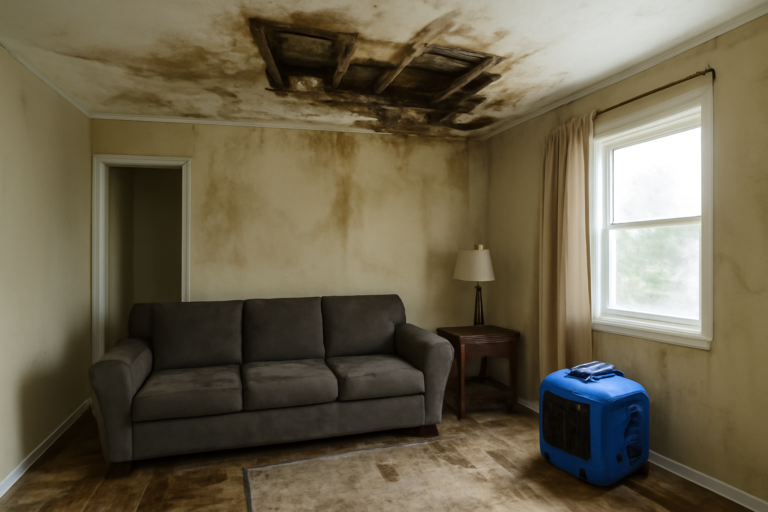
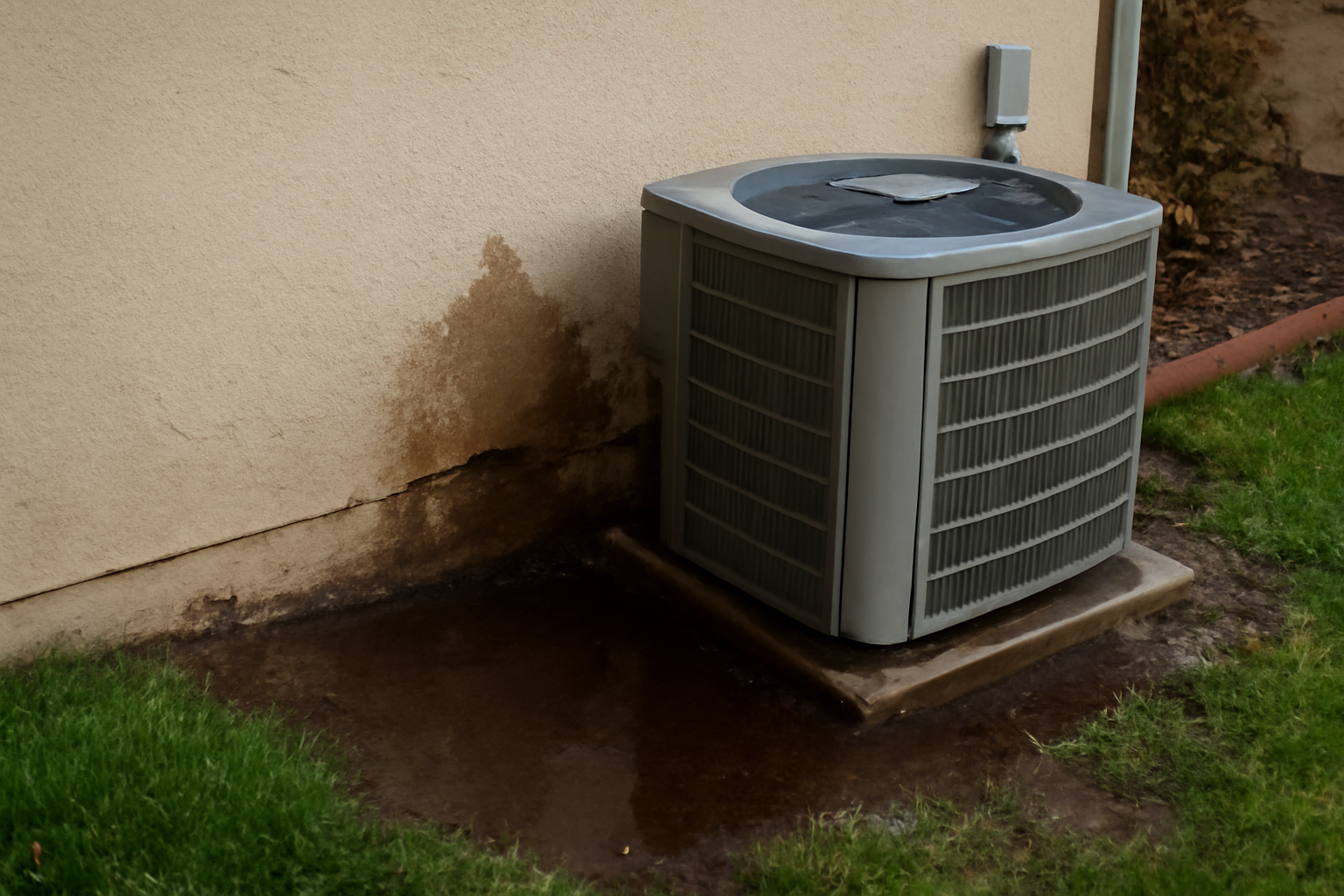
Water stains, warping, or buckling on your walls, ceiling, or floors can be a clear sign of AC unit water damage. Don’t wait, call our team to assess the damage and start the restoration process.
Flickering Lights or Electrical Issues
Electrical issues, such as flickering lights or tripped circuit breakers, can be a sign of water damage to your AC unit’s electrical parts. Don’t risk electrical shock, call our team for prompt help.
Unusual Noises or Vibrations
Unusual noises or vibrations coming from your AC unit can show a range of issues, including water damage or worn-out parts. Don’t ignore these signs, call our team to diagnose and repair the problem.
Increased Energy Bills
Unexpected spikes in your energy bills can be a sign of a malfunctioning AC unit or inefficient cooling system. Don’t wait, call our team to assess and repair your AC unit to save you money in the long run.
Poor Air Quality
Poor air quality in your home, indicated by musty smells or visible mold growth, can be a sign of AC unit water damage. Don’t risk your family’s health, call our team for prompt help.
AC Unit Water Removal vs. DIY: When to Call a Professional
| Situation | DIY? | Call a Pro? | Why |
|---|---|---|---|
| Small, contained leak | Yes | No | You can likely handle a small leak with basic plumbing tools and DIY knowledge. |
| Large, widespread flooding | No | Yes | Professional equipment and expertise are needed to contain and dry out a large, flooded area. |
| Electrical issues or safety concerns | No | Yes | Electrical issues or safety concerns need professional attention to avoid further damage or risk to your family’s health. |
| Complex or hidden damage | No | Yes | Hidden or complex damage, such as behind walls or in hidden spaces, needs professional investigation and repair. |
| Time-sensitive or urgent situation | No | Yes | Urgent situations, such as a flooded AC unit during a heatwave, need prompt professional attention to prevent further damage or risk to your family’s health. |
| Insurance claims or documentation | No | Yes | Professional documentation and communication with insurance companies are needed to ensure a smooth claims process. |
In most cases, calling a professional for AC unit water removal is the best course of action. Our team has the training, equipment, and expertise to handle complex or hidden damage, electrical issues, and time-sensitive situations, giving you peace of mind and ensuring your home is restored to its former comfort and safety.
AC Unit Water Removal Cost in Lynden, WA
The cost of AC unit water removal in Lynden, WA, varies depending on the severity of the damage, the size of the affected area, and local conditions. Here are some estimated price ranges for common services:
| Service | Typical Price Range | What Affects Cost |
|---|---|---|
| Contamination and Decontamination | $500 – $2,500 | Size of affected area, type of contaminant, and level of decontamination required. |
| Water Extraction and Drying | $1,000 – $5,000 | Amount of water, type of materials affected, and complexity of drying process. |
| AC Unit Repair or Replacement | $500 – $3,000 | Type of repair or replacement required, complexity of job, and availability of parts. |
| Moisture Testing and Inspection | $200 – $1,000 | Size of affected area, type of materials inspected, and complexity of inspection. |
| Disinfection and Sanitizing | $200 – $1,000 | Size of affected area, type of disinfectant used, and level of sanitizing required. |
These estimates are based on average costs for common services in Lynden, WA. Actual prices may vary depending on your specific situation and the extent of the damage. Our team will provide a free on-site assessment to find out the best course of action and provide a detailed estimate for your AC unit water removal service.
Service Areas Near Lynden, WA
Our team serves the following nearby communities: Bellingham, Blaine, Birch Bay, Ferndale, Everson, Custer, Deming, Lyman, Nooksack, Acme, Alger, Maple Falls, Glacier, Kendall, Sumas, Everson, Higley, Lynden.
Common Questions About AC Unit Water Removal
Is AC unit water removal covered by insurance?
Yes, AC unit water removal is often covered by home insurance policies. But, the specifics of coverage vary depending on your policy and provider. Our team can help you navigate the claims process and ensure you receive the benefits you’re entitled to.
How long does AC unit water removal take?
The length of time required for AC unit water removal depends on the severity of the damage, the size of the affected area, and the complexity of the drying process. On average, our team can complete most jobs within 3-5 days, although more extensive repairs may take longer.
Is it safe to use my AC unit after water damage?
No, it’s not safe to use your AC unit after water damage until it’s properly inspected, cleaned, and repaired. Using a damaged AC unit can lead to further damage, electrical issues, and even health risks. Our team will ensure your AC unit is safe and functioning properly before handing it back to you.
Can I prevent AC unit water damage?
Yes, regular maintenance and inspections can help prevent AC unit water damage. Our team recommends annual tune-ups, filter replacements, and cleaning to ensure your AC unit runs efficiently and safely.
Check Our Other Relevant Services

Joseph Park is a licensed Damage Restoration Expert with over 20 years of hands-on experience in disaster recovery and structural mitigation. As a respected industry authority, Joseph has spent two decades mastering the technical science of environmental safety, providing homeowners with the reliable expertise and steady leadership required to navigate high-stress property losses with absolute confidence.
𝗖𝗲𝗿𝘁𝗶𝗳𝗶𝗰𝗮𝘁𝗶𝗼𝗻𝘀: Joseph holds elite IICRC credentials, including Water Damage Restoration (WRT), Applied Structural Drying (ASD), Mold Remediation (AMRT), Fire and Smoke Restoration (FSRT), and Odor Control (OCT).
𝗙𝗮𝘃𝗼𝗿𝗶𝘁𝗲 𝗣𝗮𝘀𝘁𝗶𝗺𝗲: An enthusiast of precision and patience, Joseph enjoys restoring vintage timepieces and landscape gardening, hobbies that mirror the meticulous attention to detail he brings to every restoration project.
𝗕𝗲𝘀𝘁 𝗣𝗮𝗿𝘁 𝗼𝗳 𝘁𝗵𝗲 𝗷𝗼𝗯: He finds the most fulfillment in being the “calm during the storm,” helping families transition from the shock of property damage to the relief of a fully restored, healthy home.