Graham, WA · Pierce County
Basement Water Damage Restoration in Graham, WABasement Water Extraction & Basement Sewer Backup Cleanup
Basement Water Damage Restoration in Graham runs from basement water extraction and basement floor water removal to basement dehumidification.
Answered 24/7
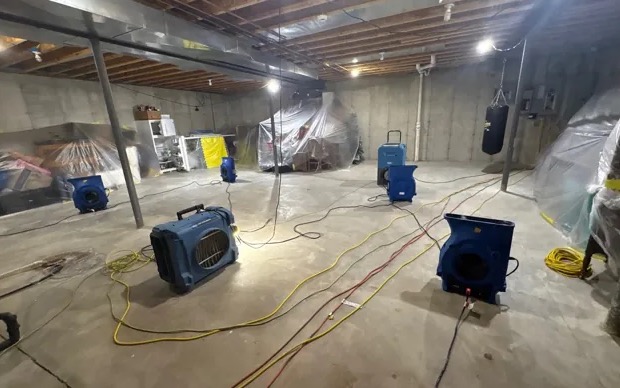
Basement Water Damage Restoration for Graham Homes
Sewage backups are one of the most common problems in any basement or lower level, including in Graham. Water coming up through a floor drain or basement toilet carries bacteria and needs a different cleanup than clean water.
Homeowners in Graham can call (425) 406-3256 day or night when water is rising in the basement. Service also covers Orting, Frederickson and South Hill, with the same pumping and drying steps.
Basement Water Damage Restoration Services in Graham
Basement Water Extraction
Basement water is removed before drying starts, because every gallon left behind keeps the walls and air damp.
Basement Sewer Backup Cleanup
Sewage that backs up through a floor drain or toilet is extracted with protective gear, and the area is contained from the rest of the house.
Basement Dehumidification
Dehumidification continues until humidity and material readings are normal. Turning it off too early lets moisture return.
Basement Floor Water Removal
Water on a concrete floor is squeegeed and extracted, and floor coverings such as carpet, vinyl or laminate are lifted to dry the slab.
Emergency Basement Flood Cleanup
Help is available any hour when water is rising in the basement from a burst pipe, a sewer backup or heavy rain.
Signs of Basement Water Damage in Graham
Efflorescence on Concrete Walls
White, chalky deposits on concrete walls mean water is moving through the concrete and leaving minerals behind.
High Humidity Levels Below-Grade
A basement that stays damp and clammy even on dry days has a moisture source that needs attention.
Standing Water in the Basement
Any standing water on the basement floor needs pumping right away, before it soaks walls and framing.
Rusted Appliances or Pipes
Rust on the water heater, furnace base or pipes points to repeated moisture or past flooding.
How Basement Water Damage Restoration Works in Graham
Step 1: Water Removal
Pumps and extractors remove standing water from the basement floor, starting at the lowest point.
Step 2: Targeted Moisture Evaporation
Air movers are aimed at wet walls, framing and the slab to speed evaporation.
Step 3: Humidity Control
Large dehumidifiers pull moisture from the basement air, with readings checked every day.
Step 4: Final Verification and Restoration
Final readings confirm the basement is dry, and the space is ready for drywall and flooring repairs.
Frequent Sources of Water Damage in Graham
High Water Table and Hydrostatic Pressure
A high water table pushes groundwater up through the slab and into the joints between wall and floor.
Sump Pump Mechanical Failure
A sump pump that fails, loses power or is too small lets groundwater rise into the basement.
Sewer Line Backups
A blocked or overloaded sewer line pushes wastewater up through basement drains and toilets.
Failed or Clogged Drain Tile
Clogged or collapsed drain tile around the foundation lets water build up against the walls.
Basement Water Damage Restoration for Homes and Businesses in Graham
Residential Basement Water Damage Restoration
Finished basements used as living space need carpet, pad and lower drywall checked carefully. Soaked materials are removed so the walls and slab can dry.
Commercial Basement Water Damage Restoration
Businesses with below-grade storage need inventory moved out of the water quickly. Wet stock is separated and documented for insurance.
When to DIY and When to Call the Pros for Basement Water Damage Restoration
Keeping gutters and downspouts clear and checking water heater and washer hoses are good DIY steps before storm season. Once water is on the floor, call (425) 406-3256.
Factors Affecting Basement Water Damage Restoration Cost in Graham
A basement pumped and dried right away in Graham usually costs less than one left wet for days, when more drywall and flooring are lost.
Water Category
Clean water costs less to handle than sewage, which needs protective gear, removal and disinfection.
Access Complexity
Narrow stairs, low ceilings and stored contents can make the work slower.
Drying Time Required
Basements dry slowly, and longer drying means more equipment days and monitoring visits.
Does Insurance Cover Basement Water Damage Restoration?
Photos, moisture readings and drying logs from local water removal pros help support an insurance claim for basement water damage in Graham.
Reasons to Hire Local Pros for Basement Water Damage Restoration in Graham
24/7 Emergency Response
Help is available day or night when water is rising in the basement.
Structural Integrity Assessment
Walls, stairs and framing are checked for damage before work begins in the basement.
Industry Drying Standards
Drying follows industry water damage standards, with readings taken at every visit.
24/7 Emergency Basement Water Damage Restoration in Graham
Sewage coming up through a floor drain? Stop using water in the house and call (425) 406-3256 now for basement water damage restoration in Graham.
Call Now (425) 406-3256Basement Water Damage Restoration Available Throughout Pierce County
Need basement water damage restoration outside Graham? Service also covers Orting, Frederickson and South Hill, including emergency help during storms.
- Basement Water Damage Restoration in Orting
- Basement Water Damage Restoration in Frederickson
- Basement Water Damage Restoration in South Hill
- Basement Water Damage Restoration in Spanaway
- Basement Water Damage Restoration in Puyallup
- Basement Water Damage Restoration in Bonney Lake
- Basement Water Damage Restoration in Eatonville
- Basement Water Damage Restoration in Parkland
- Emergency Damage Restoration in 98338
- Storm Damage Restoration in 98338
- Water Damage Restoration in 98338
- Water Extraction Service in 98338
- Water Leak Detection in 98338
- Water Removal Service in 98338
Basement Water Damage Restoration FAQs
Can wet basement drywall be saved after water damage?
Sometimes, if the water was clean and removed quickly. Soaked or sewage-contaminated drywall is cut out above the water line.
Why is quick action important for below-grade flood restoration?
Basements dry slowly, so every hour of standing water adds days of drying and more material to replace.
What is involved in basement water damage restoration?
Pumping out water, removing soaked materials, cleaning contaminated areas, drying walls, framing and concrete, and dehumidifying until readings are normal.
What is the purpose of basement wall drying?
To remove water from drywall, insulation, framing and concrete so the walls can be repaired without trapping moisture.
Why is dehumidification so important after basement water removal?
Basements hold moisture in the air and concrete. Without dehumidifiers, walls and framing stay damp long after the water is gone.