South Hill, WA · Pierce County
Basement Water Damage Restoration in South Hill, WABasement Mold Prevention & Basement Wall Drying
Basement Water Damage Restoration in South Hill includes emergency basement flood cleanup, basement sewer backup cleanup and basement wall drying.
Answered 24/7
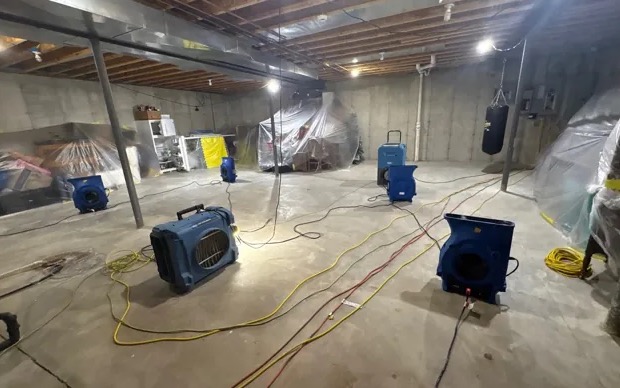
Basement Water Damage Restoration Solutions in South Hill, Washington
Basement Water Damage Restoration in South Hill covers finished and unfinished basements. A bare concrete basement can often be pumped and dried. A finished one usually needs carpet, pad and lower drywall removed so the walls and slab can dry.
One burst pipe or heavy storm in South Hill can flood a basement. Local restoration pros serve South Hill and nearby Puyallup, Orting and Frederickson, with help available around the clock.
Complete Basement Water Damage Restoration for South Hill
Basement Mold Prevention
Fast extraction and drying are the main ways to limit microbial growth in a basement. Surfaces that stayed wet can be treated once dry.
Basement Wall Drying
Concrete and block walls are dried with directed airflow and dehumidifiers, and checked with meters until readings drop.
Basement Drying Services
Equipment is adjusted each day based on moisture readings until every material reaches its normal level.
Basement Floor Water Removal
Wet carpet pad is removed from basement floors, since it holds water against the concrete and dries poorly.
Basement Sewer Backup Cleanup
After a sewer backup, cleanup and disinfection come before drying, so contaminated surfaces are not left in place.
Indicators for Basement Water Damage Restoration in South Hill
Standing Water in the Basement
Any standing water on the basement floor needs pumping right away, before it soaks walls and framing.
Efflorescence on Concrete Walls
White, chalky deposits on concrete walls mean water is moving through the concrete and leaving minerals behind.
Warped or Buckling Basement Floors
Laminate, wood or vinyl flooring that buckles or lifts in the basement has water underneath.
Condensation on Windows or Pipes
Water beading on cold pipes or basement windows shows high humidity that keeps materials damp.
How Basement Water Damage Restoration Works in South Hill
Step 1: Floodwater Pump-Out
Submersible pumps remove deep water, and electrical hazards are checked before anyone walks in it.
Step 2: Deep Moisture Extraction
Extractors pull water from carpet, pad and the concrete floor after the deep water is gone.
Step 3: Air Circulation and Drying
Air movers keep dry air moving across walls and floors throughout the basement.
Step 4: Dehumidification and Verification
Dehumidifiers run until humidity and material readings confirm the basement is dry.
Typical Sources of Basement Water Damage in South Hill
HVAC Condensate Line Overflow
A clogged furnace or air conditioner condensate line can overflow onto the floor of a basement or lower-level utility room.
Sump Pump Mechanical Failure
A sump pump that fails, loses power or is too small lets groundwater rise into the basement.
Failed or Clogged Drain Tile
Clogged or collapsed drain tile around the foundation lets water build up against the walls.
Clogged Floor Drains
A floor drain blocked by debris cannot carry off water from a leak or overflow, so it spreads across the basement floor.
Residential and Commercial Basement Water Damage Restoration in South Hill
Residential Basement Water Damage Restoration
A sewer backup in a home basement needs contaminated carpet, pad and drywall removed and every hard surface disinfected before drying.
Commercial Basement Water Damage Restoration
In restaurants and stores with basements, sewage backups need fast containment so contamination does not reach food or customer areas.
DIY vs. Professional Basement Water Damage Restoration in South Hill
Keeping gutters and downspouts clear and checking water heater and washer hoses are good DIY steps before storm season. Once water is on the floor, call (425) 406-3256.
Basement Water Damage Restoration Cost in South Hill, WA
The cost of basement water damage restoration in South Hill depends on how much water there is, whether it is clean or sewage and how much finished material must be removed.
Dehumidification Needs
Large dehumidifiers may need to run longer in below-grade spaces than in upper floors.
Emergency Service
Night, weekend and storm calls can cost more than a scheduled visit.
Access Complexity
Narrow stairs, low ceilings and stored contents can make the work slower.
Does Insurance Cover Basement Water Damage Restoration?
Many homeowner policies cover sudden basement water from a burst pipe, but not seepage or groundwater. Sewer backup coverage is often a separate add-on, so check your policy.
Advantages of Hiring Local Pros in South Hill for Basement Water Damage Restoration
Industry Drying Standards
Drying follows industry water damage standards, with readings taken at every visit.
Industrial-Grade Equipment
Pumps, extractors and large dehumidifiers remove water much faster than household wet vacs and fans.
Detailed Documentation
Photos, readings and drying logs are kept to support your insurance claim.
24/7 Emergency Basement Water Damage Restoration for South Hill
Storm night, weekend or holiday, local restoration pros handle flooded basements in South Hill. Call (425) 406-3256 to get the pumps running and the water out.
Call Now (425) 406-3256Basement Water Damage Restoration Serving South Hill, Puyallup, Orting and Frederickson
Help with basement water damage restoration reaches Puyallup, Orting and Frederickson, plus other communities around South Hill, for finished and unfinished basements alike.
- Basement Water Damage Restoration in Puyallup
- Basement Water Damage Restoration in Orting
- Basement Water Damage Restoration in Frederickson
- Basement Water Damage Restoration in Bonney Lake
- Basement Water Damage Restoration in Graham
- Basement Water Damage Restoration in Fife
- Basement Water Damage Restoration in Milton
- Basement Water Damage Restoration in Spanaway
Basement Water Damage Restoration Common Questions Answered
How soon should I call for basement water extraction after a leak?
Right away. Water wicks up drywall and soaks framing within hours, and below-grade spaces are slow to dry.
What does below-grade moisture removal include beyond pumping?
Extracting carpet and pad, opening wet walls, running air movers and dehumidifiers, and checking readings until dry.
Why is dehumidification so important after basement water removal?
Basements hold moisture in the air and concrete. Without dehumidifiers, walls and framing stay damp long after the water is gone.
Should I try below-grade waterproofing myself after flooding?
Sealing a small crack can be a DIY job, but drying must come first, and larger waterproofing work should go to a contractor.
How long does below-grade drying take after a flood?
Often several days or longer, since concrete and cool basement air dry slowly. Daily readings show progress.